
What's Happening?
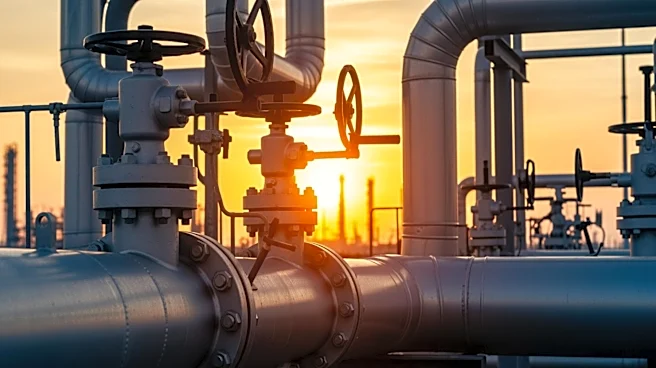
Texas is experiencing significant challenges in its gas pipeline infrastructure due to a surge in demand driven by coal retirements, data centers, and industrial loads. The Waha natural gas pricing hub
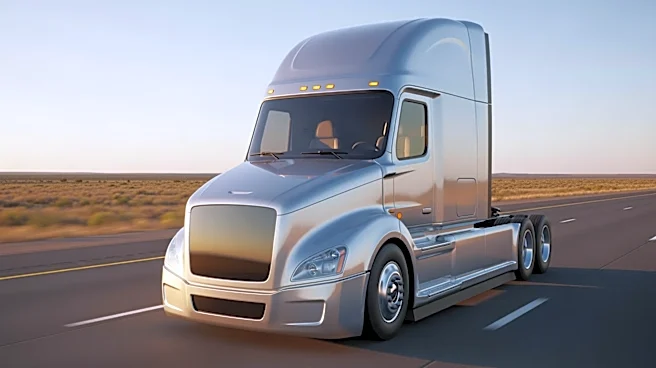
in West Texas has been facing negative prices, indicating an oversupply and insufficient pipeline capacity to transport the gas. This situation is exacerbated by Texas's role as a key player in liquefied natural gas (LNG) exports, with bipartisan support for legislation to prevent future moratoriums on LNG export terminal construction. Additionally, Texas is investing in expanding its electric vehicle (EV) charging infrastructure to support the growing number of EVs on the road.
Why It's Important?
The challenges in Texas's gas pipeline infrastructure have broader implications for the U.S. energy market. The inability to efficiently transport natural gas from production sites to areas of high demand could lead to economic inefficiencies and increased energy costs. This situation highlights the need for infrastructure investment to support the growing demand for natural gas, particularly as the U.S. continues to expand its LNG export capabilities. The development of EV infrastructure also reflects a shift towards more sustainable energy solutions, which could influence future energy policies and market dynamics.
What's Next?
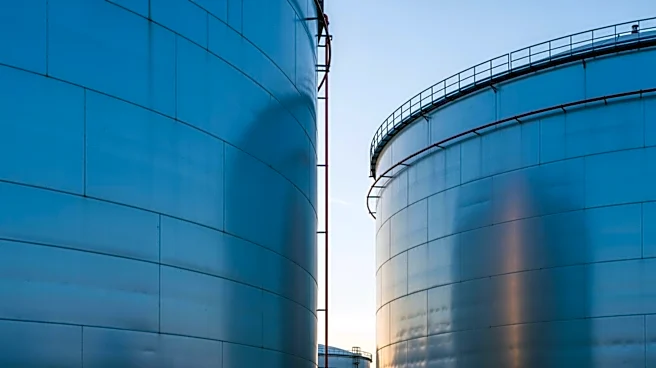
To address these challenges, Texas may need to prioritize infrastructure development, including expanding pipeline capacity and storage facilities. Legislative efforts to streamline permitting processes for energy infrastructure projects could play a crucial role in alleviating current constraints. Additionally, the state's investment in EV infrastructure suggests a commitment to diversifying its energy portfolio, which could lead to further policy initiatives aimed at supporting renewable energy sources.