






What's Happening?
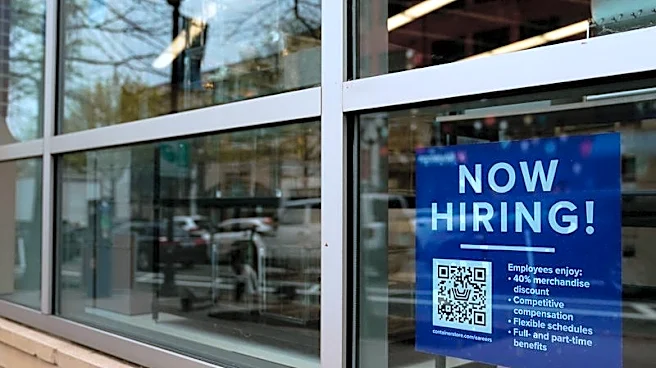
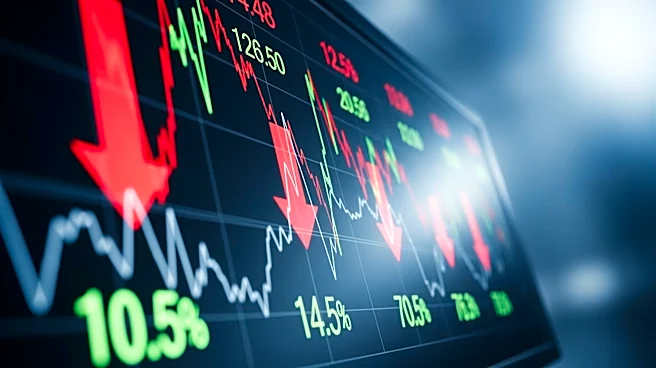
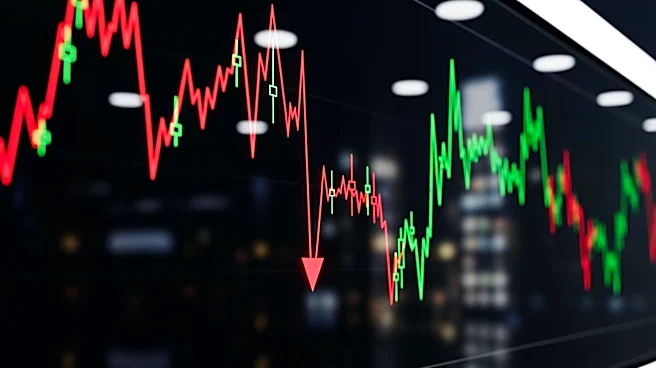
Financial markets experienced significant declines following a stronger-than-expected U.S. jobs report, which has increased the likelihood of a Federal Reserve interest rate hike. The S&P 500 fell by 2.6%, the Dow Jones Industrial Average dropped nearly
700 points, and the Nasdaq Composite decreased by 4.2%. The U.S. 10-year Treasury note yield rose by nearly 7 basis points, reflecting investor concerns about rising inflation. The Labor Department reported that U.S. employers added 172,000 jobs in May, with revisions for the previous two months showing an additional 93,000 jobs. Analysts suggest that the robust job growth and rising prices could prompt the Federal Reserve to raise interest rates sooner than anticipated.
Why It's Important?
The potential for a Federal Reserve rate hike has significant implications for the U.S. economy and financial markets. Higher interest rates would increase borrowing costs, affecting both consumers and businesses. Growth-oriented companies, particularly those in the technology sector, may face challenges as they rely on borrowing to finance expansion. The increase in bond yields also indicates a shift in investor sentiment, as higher inflation erodes the value of fixed-income investments. This development could lead to increased volatility in financial markets and impact investment strategies across various sectors.
What's Next?
If the Federal Reserve decides to raise interest rates, it could lead to a tightening of financial conditions, impacting economic growth. Businesses may need to adjust their investment plans, and consumers could face higher costs for loans and mortgages. The central bank's decision will likely depend on future economic data, including inflation trends and employment figures. Market participants will closely monitor upcoming Federal Reserve meetings and statements for indications of policy changes. Additionally, geopolitical factors, such as the ongoing situation in Iran, may influence the Fed's decision-making process.