








What's Happening?
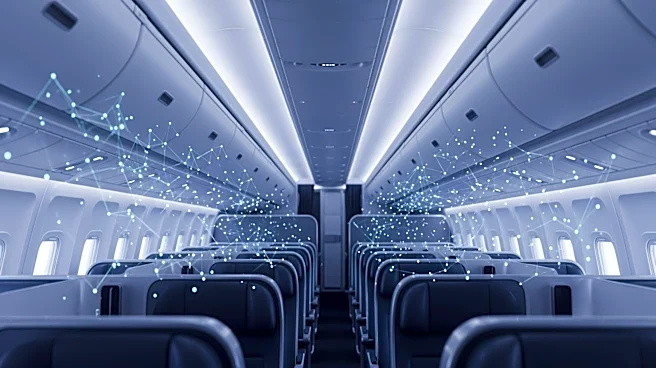
Diehl Aerospace, a joint venture between Diehl Aviation and Thales, is exploring technologies that could reduce the number of flight attendants needed on aircraft. CEO Florian Maier discussed how connected cabin systems could enhance passenger safety
and comfort, potentially allowing for smaller cabin crews. Innovations such as lights indicating available baggage space, digital ordering systems for in-flight services, and connected safety belts could streamline operations and reduce the workload for flight attendants. This shift would require approval from civil aviation authorities and could lead to cost savings for airlines.
Why It's Important?
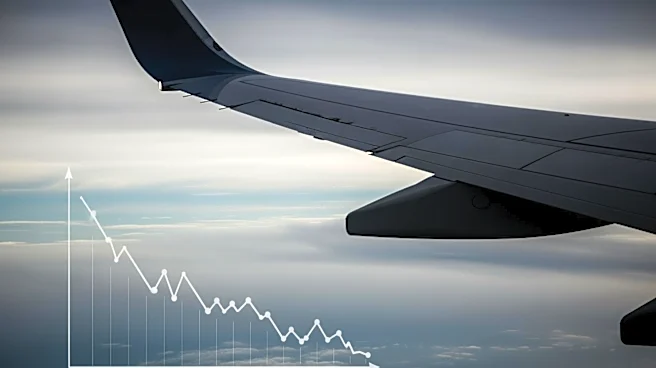
The potential reduction in flight attendant numbers due to digital advancements could significantly impact the aviation industry. Airlines might benefit from reduced operational costs, while passengers could experience improved service efficiency. However, this shift also raises concerns about job security for flight attendants and the need for regulatory adjustments. The move towards a digital backbone in aircraft could set a precedent for future technological integrations in aviation, influencing how airlines operate and manage their workforce.
What's Next?
If these technologies are implemented, airlines will need to work closely with regulatory bodies to ensure compliance and safety. The industry may see a gradual transition as airlines test and adopt these systems. Additionally, there could be a push for retraining programs for flight attendants to adapt to new roles within the digital framework. The success of these initiatives could pave the way for further technological innovations in aviation, potentially transforming the passenger experience and operational dynamics.