
What's Happening?
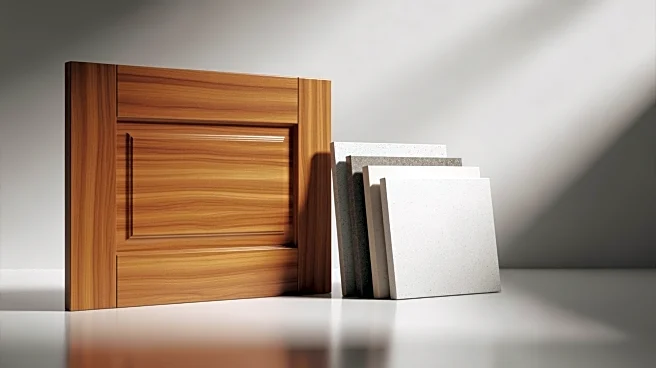
The White House has announced a delay in the implementation of higher tariffs on furniture, kitchen cabinets, and vanities, which were initially set to increase on January 1, 2026. The current 25% tariff on these
goods will remain in effect until at least January 1, 2027. This decision marks a reversal of President Trump's previous economic policy, which had planned for tariffs on cabinets and vanities to rise to 50% and on upholstered wooden furniture to 30%. The delay is attributed to ongoing negotiations with trade partners aimed at addressing trade reciprocity and national security concerns related to wood product imports. The announcement comes amid rising furniture prices, which have increased by 4.6% over the past year, according to recent inflation reports.
Why It's Important?
The delay in tariff increases is significant for both consumers and businesses in the U.S. The furniture industry, including companies like Wayfair, Restoration Hardware, and Williams Sonoma, had been facing potential cost increases that could have been passed on to consumers. By maintaining the current tariff rate, the White House aims to stabilize prices and support ongoing trade negotiations. This move could help alleviate some of the financial pressures on households already dealing with inflation and rising costs of living. Additionally, it reflects a strategic shift in President Trump's trade policy, focusing on negotiation rather than immediate tariff hikes, which could foster better trade relations and economic stability.
What's Next?
The decision to delay the tariff increase opens the door for further negotiations with international trade partners. The White House will likely continue discussions to address trade imbalances and national security issues related to wood imports. Businesses in the furniture sector may use this time to adjust their supply chains and pricing strategies in anticipation of future policy changes. Consumers can expect more stable prices in the short term, but the long-term impact will depend on the outcomes of these negotiations and any subsequent policy adjustments.