



What's Happening?
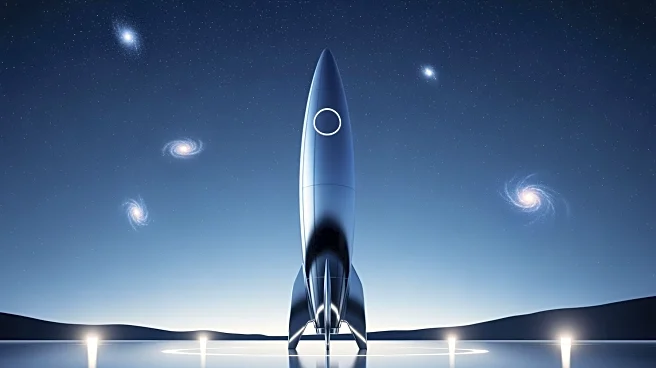
SpaceX's Starship, the largest and most powerful launch vehicle in the world, has inspired several Chinese companies to develop rockets with similar designs. The Starship, which is intended for missions to Mars and the moon, is a fully reusable transportation system. Chinese startups and the government have been influenced by SpaceX's designs, with companies like Beijing Leading Rocket Technology developing concepts such as Xingzhou-1, which closely resembles the Starship. This trend follows China's history of mimicking SpaceX's Falcon 9 rocket. The Chinese government and startups are in the early stages of developing these rockets, with ambitious plans for future launches.
Why It's Important?
The development of Starship-like rockets by Chinese companies highlights
the growing competition in the global space industry. SpaceX's innovations have set a high standard, pushing other countries to advance their space capabilities. This competition could accelerate technological advancements and reduce costs in space exploration. However, it also raises concerns about intellectual property and the potential for geopolitical tensions as countries vie for dominance in space. The U.S. space industry, particularly SpaceX, may face increased pressure to maintain its technological edge and secure contracts with agencies like NASA.
What's Next?
SpaceX is expected to debut its next prototype, Version 3, in 2026, which aims to reach orbit and refuel midflight. This capability is crucial for missions to Mars. Meanwhile, NASA's contract with SpaceX for the Artemis 3 lunar mission is under scrutiny, with the agency considering other options due to SpaceX's delays. The next Starship test flight is targeted for early 2026. As Chinese companies continue to develop their rockets, the space race is likely to intensify, with potential implications for international collaboration and competition.