





What's Happening?
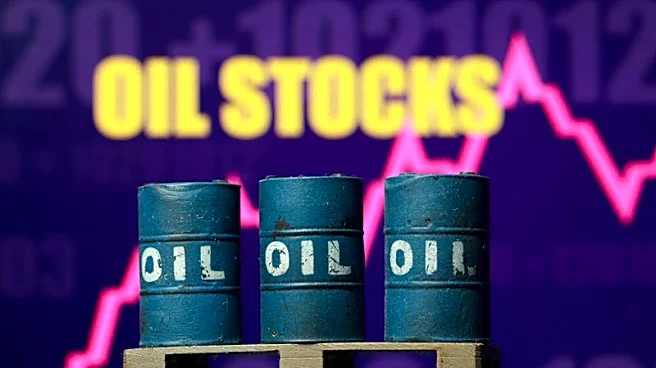
Gasoline prices in the United States are expected to decrease significantly in the coming days, potentially dropping below $4 per gallon. This forecast follows a sharp decline in crude oil prices, with Brent futures falling to around $90 a barrel and
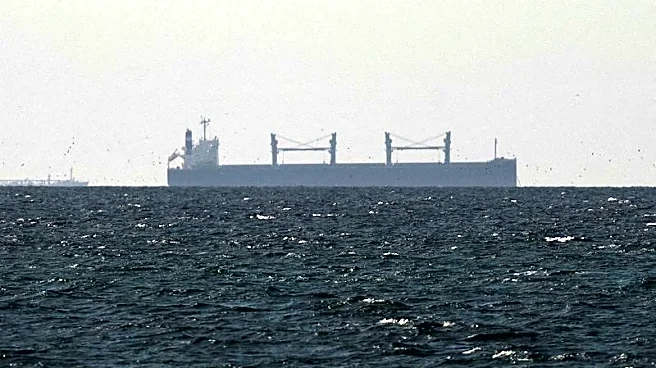
U.S. crude dropping below $85 a barrel. The decrease in oil prices comes after Iran reopened the Strait of Hormuz to commercial traffic, alleviating some of the supply disruptions caused by the conflict in the Middle East. Patrick De Haan, chief petroleum analyst at GasBuddy, indicated that the national average for gasoline, currently above $4, could fall to between $3.65 and $3.85 per gallon within the next week or two. However, he noted that a full return to pre-conflict gasoline prices, which were below $3 per gallon, could take much longer.
Why It's Important?
The anticipated drop in gasoline prices is significant for U.S. consumers and the broader economy, as it could alleviate some of the financial pressure on households and businesses that have been grappling with higher fuel costs. The reduction in gasoline prices is expected to provide immediate relief to drivers, particularly those in regions where prices have been highest. Additionally, lower fuel costs could have a positive ripple effect on various sectors, including transportation and logistics, by reducing operational expenses. However, the situation remains volatile, and any resurgence in Middle East tensions could reverse the downward trend in oil prices, impacting gasoline costs once again.
What's Next?
While the reopening of the Strait of Hormuz has provided some relief, the oil market remains susceptible to geopolitical developments. The energy consultancy Rystad Energy estimates that repairing damage to oil and gas facilities in the Middle East could cost up to $50 billion, and restarting production at undamaged sites may take weeks. As such, the full normalization of gasoline prices could extend into late this year or early next year. Stakeholders, including policymakers and industry leaders, will likely monitor the situation closely, as any escalation in the region could disrupt supply chains and affect global oil prices.