





What's Happening?
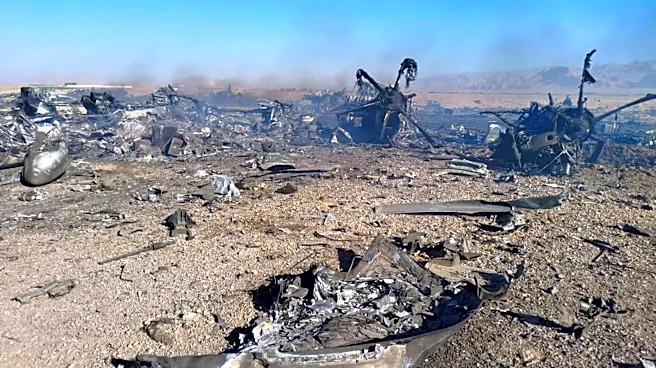
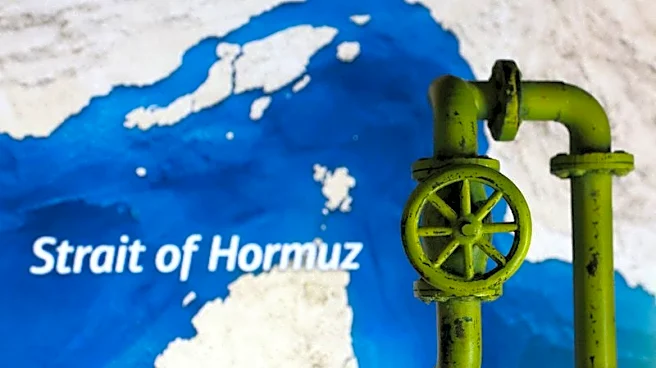
The global aluminum industry is experiencing a severe crisis due to the closure of the Strait of Hormuz and new export restrictions in Guinea. The closure, following military strikes, has stranded a significant portion of the world's aluminum supply,
while Guinea's restrictions have tightened the flow of bauxite, a key raw material. This has led to unprecedented price volatility, with aluminum prices surpassing $3,500 per tonne. The situation has disrupted global trade flows, with major smelters in the UAE and Bahrain suffering damage. The crisis is forcing a reconfiguration of the aluminum supply chain, with potential long-term impacts on global manufacturing.
Why It's Important?
The disruption in the aluminum supply chain has significant implications for global manufacturing and economic stability. The closure of the Strait of Hormuz affects a critical trade route, impacting energy and raw material supplies. Guinea's export restrictions could lead to a shift in the global bauxite market, affecting companies reliant on these resources. The crisis highlights the vulnerability of global supply chains to geopolitical conflicts and resource nationalism. It may lead to increased regionalization of the aluminum industry, with companies seeking to secure more stable supply sources.
What's Next?
The aluminum market is expected to remain volatile, with prices potentially rising further if the current disruptions persist. Companies may need to adapt by investing in alternative supply sources or increasing reliance on recycled materials. The situation could lead to industry consolidation, as larger companies seek to secure their supply chains. The focus will remain on Guinea's policies and the potential for further geopolitical tensions in the Middle East. The long-term impact on the aluminum industry could include a shift towards more localized production and a reevaluation of global trade strategies.