






What's Happening?
The global polyolefin powder market is projected to experience significant growth from 2026 to 2035, according to a recent report by IndexBox. This expansion is attributed to the material's versatility and cost-effectiveness, which are increasingly being
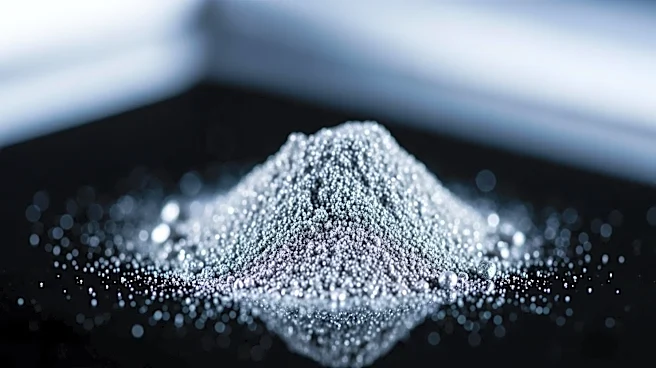
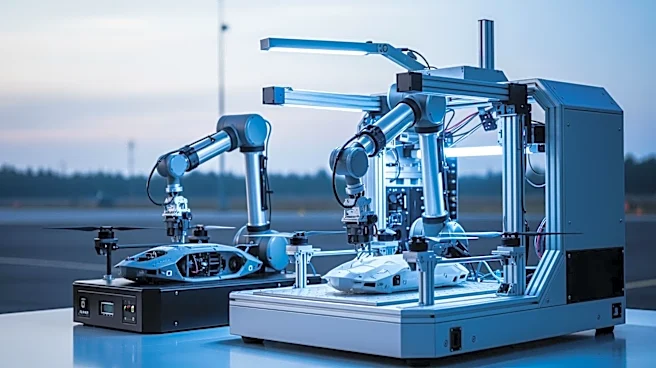
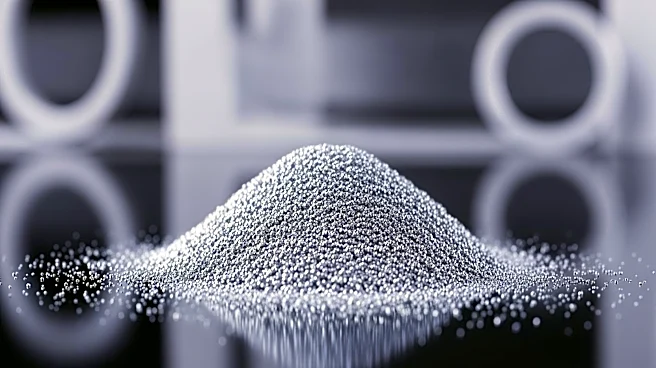
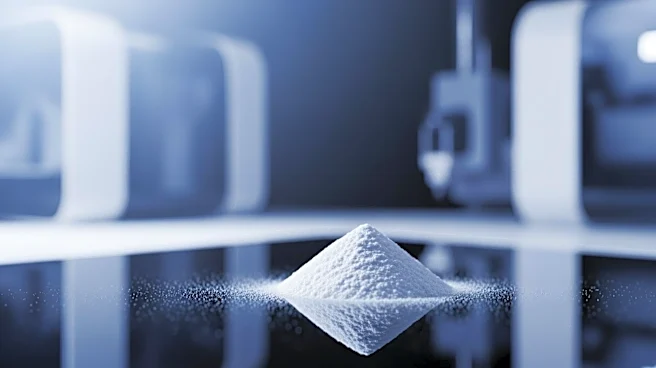
leveraged in advanced manufacturing processes. The market is transitioning from a niche segment to a critical component in industries such as additive manufacturing and sustainable coatings. Traditional sectors like rotational molding and masterbatch production continue to provide a stable base, but the real growth potential lies in the functionalization of powders for 3D printing and high-performance anti-corrosion coatings. The market is expected to grow at a mid-single-digit compound annual rate, driven by application diversification rather than broad macroeconomic factors. The report highlights the ongoing optimization of manufacturing supply chains, where powder forms offer logistical and processing advantages over pellets or granules.
Why It's Important?
The growth of the polyolefin powder market is significant for several U.S. industries, particularly those involved in advanced manufacturing and sustainable practices. As the market expands, it could lead to increased efficiency and cost savings in manufacturing processes, particularly in sectors like automotive, consumer goods, and construction. The shift towards powder-based manufacturing could also drive innovation in product design and material usage, offering new opportunities for U.S. companies to enhance their competitive edge globally. Additionally, the environmental benefits of replacing solvent-based coatings with powder coatings align with regulatory trends towards reducing volatile organic compound emissions, potentially leading to broader adoption in industries focused on sustainability.
What's Next?
The market is expected to see continued innovation in powder formulations, with a focus on improving performance characteristics such as particle size distribution and thermal stability. This could lead to the development of new applications and further integration of polyolefin powders in manufacturing processes. Companies may also explore backward integration or secure long-term feedstock contracts to mitigate the impact of price volatility in upstream olefin monomers. As the market grows, regional demand patterns will likely reflect the global distribution of manufacturing, with Asia-Pacific remaining a key production and consumption hub.