






What's Happening?
The WNBA and its players' union have finalized the long-form version of a transformative collective bargaining agreement (CBA), initially agreed upon two months ago. This new CBA, effective through 2032, marks a significant milestone in women's professional
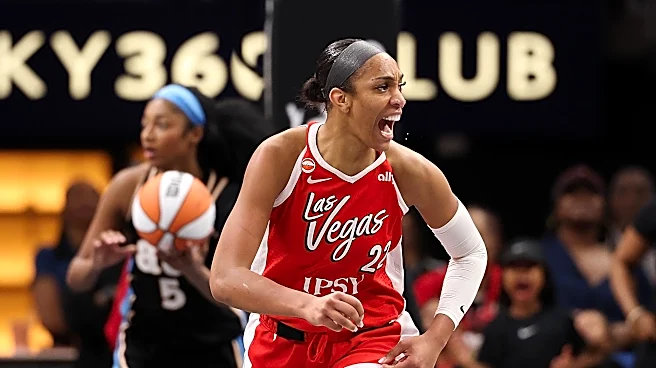
sports by introducing the first million-dollar salaries in the league's history. A total of 31 players will earn over $1 million this season, with top players like A'ja Wilson receiving up to $1.4 million. The agreement also includes a comprehensive revenue-sharing model, a first for women's sports, and provisions for veteran recognition payouts to retired players based on their years of service.
Why It's Important?
This agreement represents a groundbreaking advancement for the WNBA, setting a new standard for player compensation and revenue sharing in women's sports. By significantly increasing player salaries and introducing revenue-sharing, the league is taking substantial steps towards achieving financial equity and sustainability. This move could attract more talent to the league, enhance player retention, and boost the overall competitiveness of the WNBA. Additionally, the veteran recognition payouts acknowledge the contributions of past players, fostering a sense of legacy and continuity within the league. The CBA's provisions could serve as a model for other women's sports leagues seeking to improve their financial structures.
Beyond the Headlines
The completion of this CBA may have broader cultural and societal implications, as it challenges traditional gender norms in professional sports and promotes gender equity. By setting a precedent for higher salaries and revenue-sharing in women's sports, the WNBA is contributing to the ongoing dialogue about gender pay gaps and the value of women's contributions in professional arenas. This agreement could inspire similar movements in other sports and industries, encouraging a reevaluation of compensation structures and the recognition of women's achievements. The long-term impact of this CBA could extend beyond sports, influencing broader societal attitudes towards gender equality.