






What's Happening?
A new legislative proposal in California, Assembly Bill 2462, aims to significantly revise the state's product recall liability framework. Introduced by Assembly Member Pellerin on February 20, 2026, the bill seeks to amend the Product Recall Safety and
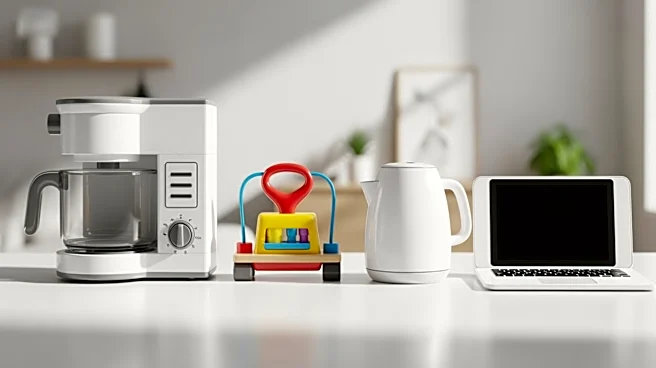
Protection Act. The proposed changes include redefining the term 'manufacturer' and expanding the scope of cost-free recall obligations. Additionally, the bill proposes to increase penalties for violations. The legislation would impact various entities within the consumer product supply chain, including manufacturers, importers, distributors, wholesalers, retailers, and brand licensors. This comprehensive approach is intended to enhance consumer safety and accountability across the industry.
Why It's Important?
The proposed changes in Assembly Bill 2462 could have significant implications for businesses involved in the consumer product supply chain. By broadening the definition of 'manufacturer' and expanding recall obligations, the bill aims to ensure greater accountability and consumer protection. This could lead to increased operational costs for businesses as they adapt to the new requirements. The heightened penalties for non-compliance may also serve as a deterrent against negligence in product safety. For consumers, the bill promises enhanced safety measures and potentially fewer harmful products reaching the market. The legislation reflects a growing trend towards stricter consumer protection laws in response to increasing concerns about product safety.
What's Next?
If passed, Assembly Bill 2462 will require businesses to reassess their compliance strategies and possibly restructure their operations to meet the new standards. Companies may need to invest in better safety protocols and recall management systems. The bill's progress will be closely monitored by industry stakeholders, who may lobby for amendments or clarifications to mitigate potential impacts. Consumer advocacy groups are likely to support the bill, emphasizing the need for stronger protections. The legislative process will involve debates and potential revisions before a final vote, with the outcome influencing future regulatory trends in consumer product safety.