




What's Happening?
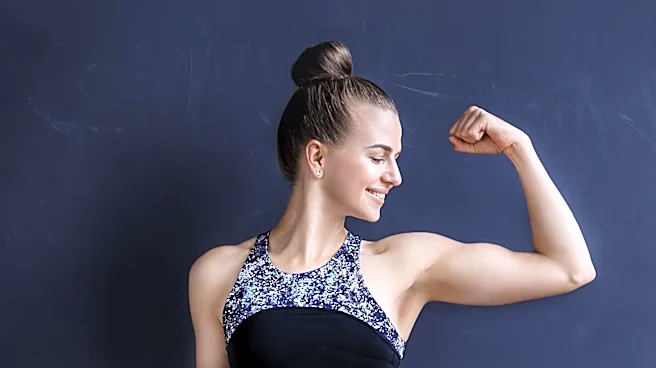
Elizabeth Smart, known for her advocacy work following her kidnapping ordeal, has recently shared her involvement in bodybuilding competitions. Smart posted a picture from her fourth competition, expressing surprise at her own participation in such events.
Initially hesitant to share her bodybuilding journey due to fears of judgment and being perceived as less serious in her advocacy work, Smart has come to embrace this new chapter. She relates these feelings to those experienced by survivors, emphasizing the importance of not being confined to a single label. Smart, who was kidnapped at 14 and later rescued, now runs the Elizabeth Smart Foundation, which supports sexual assault victims. Her decision to pursue bodybuilding is part of her broader commitment to living life fully and without regrets, celebrating her body's resilience and achievements.
Why It's Important?
Elizabeth Smart's venture into bodybuilding highlights the multifaceted nature of personal identity and the importance of pursuing diverse interests. Her openness about this new hobby challenges societal expectations and stereotypes, particularly for survivors of trauma. By embracing bodybuilding, Smart not only celebrates her physical strength but also sets an example for others to pursue their passions regardless of past experiences. This move could inspire other survivors to explore new avenues for self-expression and empowerment, reinforcing the message that one's identity is not limited to past traumas. Smart's story underscores the significance of personal growth and resilience, offering hope and encouragement to those who have faced similar challenges.
What's Next?
Elizabeth Smart's involvement in bodybuilding may lead to increased visibility and awareness for her advocacy work. As she continues to share her journey, it could attract more attention to the Elizabeth Smart Foundation and its mission to support sexual assault victims. Smart's participation in bodybuilding competitions might also encourage discussions around body positivity and the importance of physical health in recovery processes. Her story could inspire other survivors to pursue new challenges and experiences, fostering a community of support and empowerment. Additionally, Smart's advocacy efforts may expand to include initiatives that promote physical fitness as a tool for healing and empowerment.
Beyond the Headlines
Elizabeth Smart's bodybuilding journey opens up conversations about the intersection of physical fitness and mental health, particularly for trauma survivors. Her story highlights the therapeutic potential of physical activities in building confidence and resilience. It also raises questions about societal perceptions of survivors and the expectations placed upon them. Smart's decision to embrace bodybuilding challenges these norms, advocating for a broader understanding of survivor identity. This development may lead to increased dialogue around the role of hobbies and personal interests in recovery, encouraging a more holistic approach to healing that includes physical, mental, and emotional well-being.