


What's Happening?
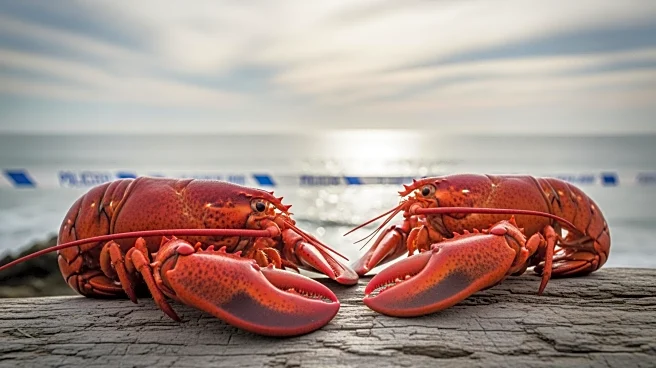
The North American lobster industry is experiencing significant changes due to climate disruptions and evolving consumer preferences. The U.S. and Canada have a deeply integrated lobster trade, with Canadian processing plants purchasing a large amount
of U.S. lobster and supplying American markets year-round. However, climate change is affecting lobster quality and seasonality, with reports of lobsters shedding more frequently and experiencing higher mortality rates. Additionally, consumer trends are shifting towards processed lobster products over live ones, driven by convenience and cost considerations.
Why It's Important?
The changes in the lobster industry have broad implications for the seafood market and related businesses. The shift towards processed products could impact traditional lobster fishing and processing methods, potentially affecting jobs and local economies dependent on the industry. Climate change's impact on lobster populations and quality could also lead to supply chain disruptions and increased prices. For consumers, these changes may alter the availability and cost of lobster, traditionally seen as a luxury item, and influence dining habits and restaurant offerings.
What's Next?
Stakeholders in the lobster industry may need to adapt to these changes by investing in sustainable practices and exploring new markets for processed products. Restaurants and retailers might focus on diversifying their offerings to include more processed lobster options to meet consumer demand. Additionally, ongoing climate change could necessitate further research and adaptation strategies to ensure the long-term viability of the lobster industry.