
What's Happening?
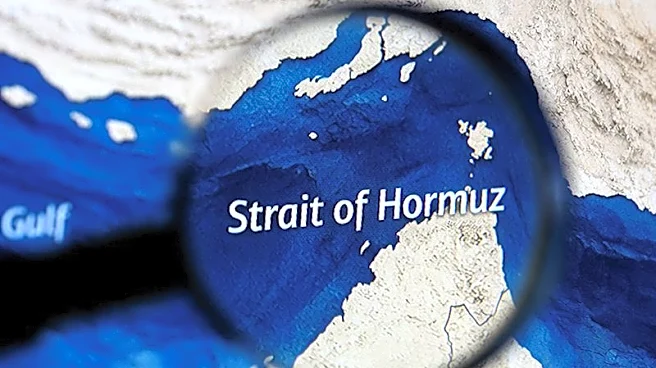
The closure of the Strait of Hormuz, a critical channel for global oil transportation, has significantly disrupted the flow of oil, affecting global energy markets, including the United States. The Strait,
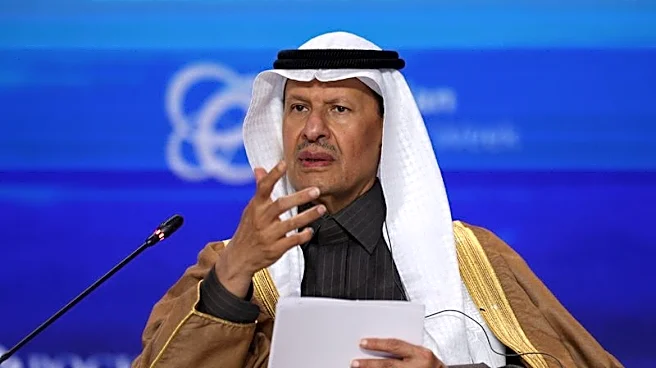
which previously facilitated the movement of 20% of the world's oil supply, is currently blocked due to geopolitical tensions involving Iran. This disruption has led to a reduction in oil output from key producers like Saudi Arabia, which has seen its daily production drop by two million barrels. The U.S., despite being the largest oil producer, is also the largest consumer, and the closure has contributed to rising gas prices domestically. The situation is further complicated by the global nature of the oil market, where different grades of crude oil are traded and transported worldwide, impacting prices and supply chains.
Why It's Important?
The closure of the Strait of Hormuz has far-reaching implications for the U.S. energy market and global oil prices. As the largest consumer of oil, the U.S. is directly affected by the supply constraints, leading to increased fuel prices. This situation underscores the interconnectedness of global energy markets and the vulnerability of supply chains to geopolitical events. The disruption has prompted discussions on energy security and the need for diversified energy sources. Additionally, the situation highlights the strategic importance of the Strait of Hormuz in global oil logistics and the potential economic impact of its closure on both producing and consuming nations.
What's Next?
The reopening of the Strait of Hormuz is anticipated to take several weeks, during which OPEC is expected to work towards restoring its output levels. The organization may attempt to increase production to stabilize prices and regain market share. Meanwhile, the U.S. may continue to explore ways to increase its domestic production to mitigate the impact of the disruption. The situation may also prompt policymakers to consider long-term strategies for energy independence and resilience against similar geopolitical disruptions in the future.
Beyond the Headlines
The closure of the Strait of Hormuz raises broader questions about the stability of global energy markets and the geopolitical risks associated with key transportation routes. It also highlights the ongoing challenges faced by oil-dependent economies in balancing supply and demand amid fluctuating prices. The event may accelerate discussions on transitioning to alternative energy sources and reducing reliance on fossil fuels, as well as the need for international cooperation to ensure the security of critical maritime routes.