


What's Happening?
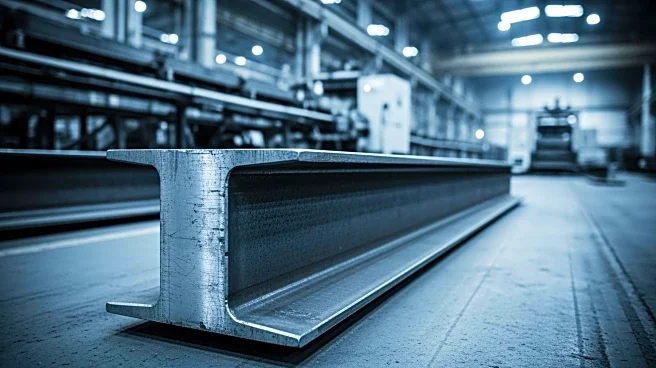
Cleveland-Cliffs Inc. announced a significant financial loss of $1.4 billion for the fiscal year 2025, a substantial increase from the $714 million loss reported in 2024. The company's CEO, Lourenco Goncalvez, attributed the downturn to weak automotive production, which negatively impacted steel demand. Despite the financial setback, Cleveland-Cliffs managed to sell more steel in 2025 compared to the previous year, although at lower average prices. The company is optimistic about future improvements, citing a more favorable trade environment in the U.S. and strategic partnerships, such as the one with Korean steelmaker POSCO. This partnership involves selling a 10% stake to POSCO for $700 million, aimed at helping POSCO establish a presence
in the U.S. market.
Why It's Important?
The financial loss reported by Cleveland-Cliffs highlights the challenges faced by the steel industry, particularly due to fluctuations in automotive production. The company's performance is a reflection of broader economic conditions affecting the manufacturing sector. The strategic partnership with POSCO could be a pivotal move for Cleveland-Cliffs, potentially opening new markets and stabilizing its financial outlook. The situation underscores the interconnectedness of global trade and the impact of international partnerships on domestic industries. Stakeholders in the steel and automotive sectors will be closely monitoring how these developments influence market dynamics and future profitability.
What's Next?
Cleveland-Cliffs is projecting to sell between 16.5 to 17 million net tons of steel in 2026, with plans to invest approximately $700 million in capital expenditures. The company is also focusing on shedding non-core assets and reducing costs to improve its financial health. The anticipated signing of a definitive agreement with POSCO in the first half of the year could provide a significant boost to Cleveland-Cliffs' market position. Industry observers will be watching for any changes in automotive production levels and trade policies that could further impact the company's performance.