






What's Happening?
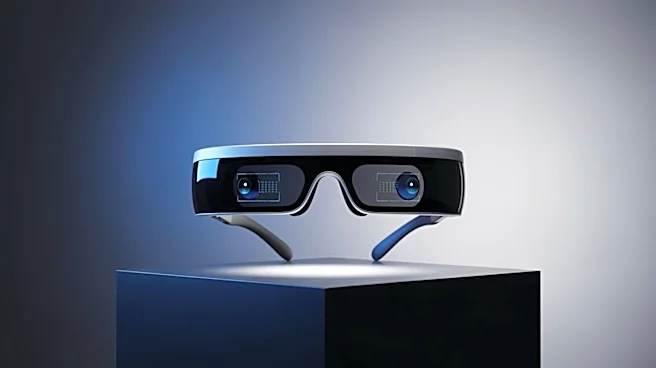
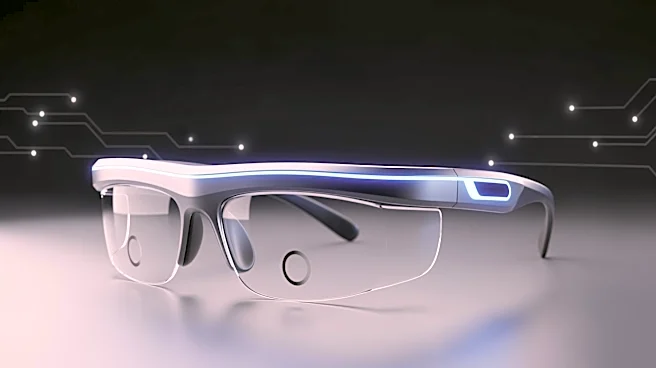
In 2026, major tech companies like Snap, Apple, and Meta are advancing augmented reality (AR) wearables through new product designs and partnerships. Snap has partnered with Qualcomm to enhance its Spectacles with the Snapdragon XR platform, improving
performance and battery life. Apple is testing four smart-glasses designs, indicating a potential 2027 launch. Meta has released two Ray-Ban prescription-ready AI glasses, making AR more accessible to everyday consumers. These developments mark a shift from research and development to retail trials, with companies aiming to bring AR wearables to the mass market.
Why It's Important?
The push towards consumer-ready AR wearables signifies a major shift in the tech industry, potentially transforming how users interact with digital content. By making AR devices more accessible and practical, companies are setting the stage for widespread adoption. This could lead to significant changes in consumer behavior, with AR becoming a part of daily life. The integration of AI and improved hardware capabilities could also spur innovation in app development, creating new opportunities for businesses and developers. The success of these products could redefine the competitive landscape in the tech industry.
What's Next?
As these AR products move from development to retail, consumer response will be crucial. Companies will likely focus on refining user experience and expanding their product lines based on initial feedback. The success of these launches could encourage further investment in AR technology, leading to more advanced features and broader applications. Additionally, the industry may see increased collaboration between tech companies and eyewear manufacturers to enhance design and functionality. The coming years could witness a rapid evolution in AR technology, driven by consumer demand and technological advancements.