




What's Happening?
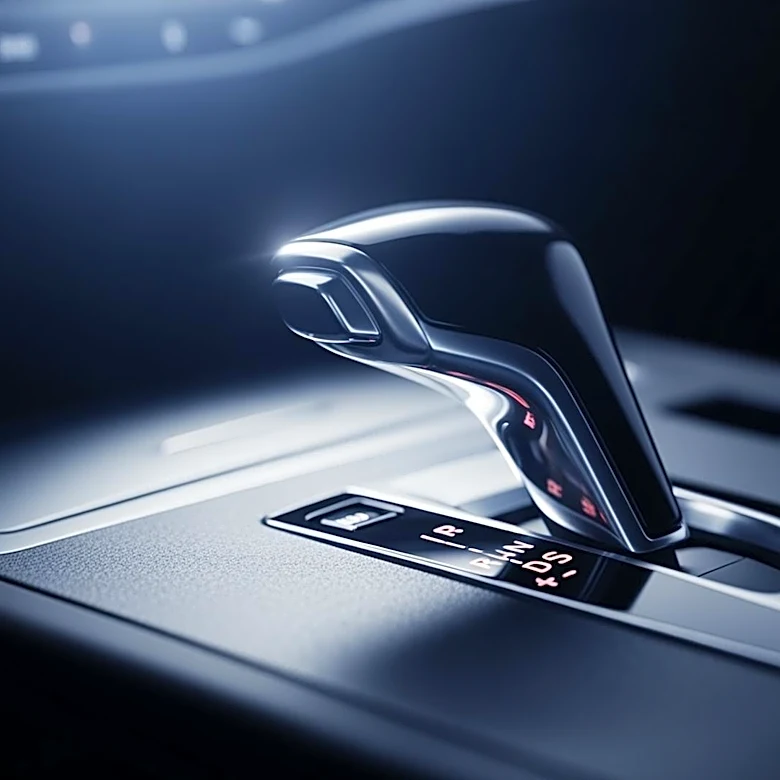
Ford is recalling nearly 1.4 million F-150 pickup trucks in the United States due to a gearshift issue that could lead to drivers losing control of their vehicles, increasing the risk of a crash. The recall affects F-150 light trucks equipped with a six-speed
automatic transmission, manufactured between March 12, 2014, and August 18, 2017. The National Highway Traffic Safety Administration's report indicates that these vehicles may experience an intermittent selection signal of the transmission range sensor to the powertrain control module, potentially causing an unintended downshift into second gear. This could result in an abrupt reduction in wheel speed, possibly causing the rear tires to slide until the vehicle speed decreases. Ford has reported two injuries and one accident possibly related to this issue. The company is aware of 444 warranty claims and 105 customer service reports linked to the problem. Affected vehicle owners will be notified by mail and instructed to visit a Ford or Lincoln dealer to have their powertrain control module calibration updated at no cost.
Why It's Important?
This recall is significant as it addresses a safety issue that could potentially lead to accidents and injuries. The F-150 is one of Ford's best-selling models, and a recall of this magnitude could impact the company's reputation and financial performance. Ensuring the safety of these vehicles is crucial for maintaining consumer trust and preventing further incidents. The recall also highlights the importance of rigorous quality control and monitoring systems within the automotive industry to detect and address such issues promptly. For consumers, this recall underscores the need for vigilance regarding vehicle safety notices and the importance of adhering to recall instructions to ensure their safety on the road.
What's Next?
Ford will begin notifying affected vehicle owners by mail, instructing them to bring their vehicles to authorized dealers for a free update to the powertrain control module calibration. The company will likely work closely with the National Highway Traffic Safety Administration to monitor the situation and ensure compliance with safety standards. Additionally, Ford may face increased scrutiny from regulators and consumers, prompting the company to enhance its quality assurance processes to prevent similar issues in the future. The automotive industry as a whole may also see increased regulatory attention to ensure vehicle safety and prevent such widespread recalls.