







What's Happening?
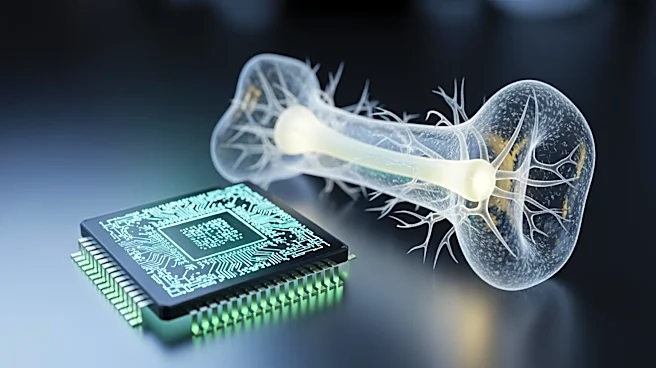
Recent advancements in microchip technology have led to the development of a bone marrow-on-a-chip model, which is designed to study human hematological malignancies and facilitate preclinical therapeutic screening. This innovative model aims to replicate
the complex pathophysiology of leukemia and other bone marrow-related diseases by creating an immunocompetent environment that mimics the native tissue's anatomical organization and function. The model's design includes a three-compartment structure that co-cultures stromal and hematopoietic cells within a vascularized niche, allowing for a physiologically relevant microenvironment. This platform supports the personalized evaluation of therapeutic interventions, such as chimeric antigen receptor T cell therapy and chemotherapy, using patient-derived samples. The model enables comprehensive analysis through various techniques, including live imaging and single-cell sequencing, and requires approximately seven days to establish.
Why It's Important?
The development of the bone marrow-on-a-chip model represents a significant leap forward in the field of hematological research. By providing a more accurate representation of the human bone marrow environment, this technology allows researchers to better understand disease mechanisms and evaluate potential treatments. This could lead to more effective therapies for leukemia and other related conditions, ultimately improving patient outcomes. The ability to use patient-specific samples for testing also enhances the potential for personalized medicine, tailoring treatments to individual patient needs. This advancement underscores the critical role of microchip technology in biomedical research and its potential to transform therapeutic development.
What's Next?
As this technology continues to evolve, it is expected to be integrated into broader research and clinical applications. Researchers may explore further enhancements to the model to increase its fidelity and applicability to other diseases. Additionally, collaborations between academic institutions and biotech companies could accelerate the commercialization of this technology, making it more widely available for research and clinical use. Regulatory considerations will also play a role in determining how quickly this technology can be adopted in clinical settings.
Beyond the Headlines
The ethical implications of using patient-derived samples in research are an important consideration, as this approach raises questions about consent and data privacy. Additionally, the long-term impact of this technology on the pharmaceutical industry could be substantial, potentially reducing the time and cost associated with drug development. As the technology matures, it may also influence regulatory frameworks, prompting updates to guidelines for preclinical testing and approval processes.