






What's Happening?
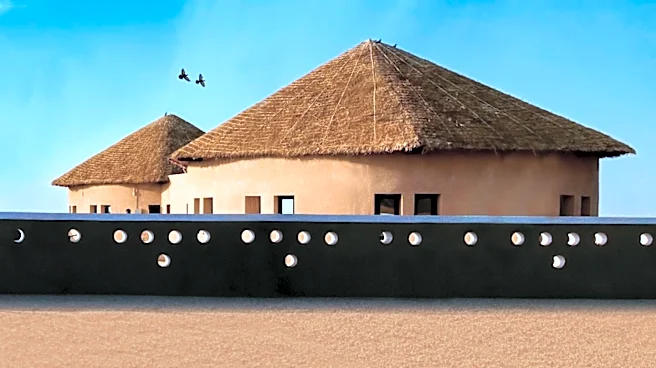
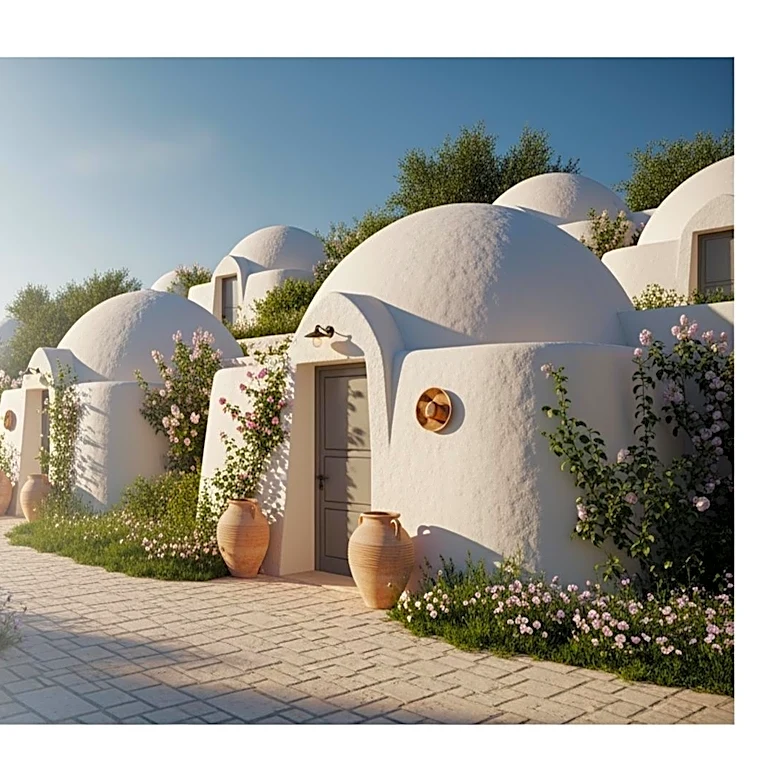
Ansh and Raghav Kumar, architect siblings from New Delhi, have constructed a unique mud villa in Rishikesh, India, which has become a popular Airbnb destination. The brothers, seeking to escape the corporate grind, moved to the Himalayan town and built
the house using natural materials like mud, stone, and straw. Their project, described as a 'labor of love,' involved over 100 volunteers from 18 countries and took three years to complete. The villa, characterized by its organic shapes and whimsical design, offers a rustic retreat for guests, emphasizing a connection with nature over modern conveniences.
Why It's Important?
This project highlights a growing trend towards sustainable and eco-friendly architecture, reflecting a shift in consumer preferences towards unique and environmentally conscious travel experiences. The success of the villa as an Airbnb listing underscores the demand for such accommodations, potentially influencing the hospitality industry to incorporate more sustainable practices. Additionally, the brothers' story resonates with many who seek to balance professional success with personal fulfillment, illustrating a broader societal movement towards work-life balance and sustainable living.
What's Next?
The Kumar brothers plan to expand their architectural endeavors, focusing on natural building projects across India. They have established a design studio in Rishikesh and are working on overcoming challenges such as connectivity issues and wildlife safety. Their ongoing projects may inspire further innovation in sustainable architecture, potentially influencing both local and international architectural practices.
Beyond the Headlines
The brothers' journey from corporate burnout to sustainable living highlights the potential for architecture to serve as a medium for personal and cultural transformation. Their project not only provides a unique travel experience but also promotes a lifestyle that values environmental stewardship and community involvement. This could lead to a reevaluation of architectural priorities, emphasizing the importance of integrating traditional building techniques with modern sustainability goals.