
What's Happening?
Everlane, a brand known for its commitment to sustainable fashion, has been acquired by fast-fashion giant Shein for $100 million. This acquisition has sparked disappointment among Everlane's loyal customer
base, who valued the brand's transparency about its environmental impact and labor practices. The news has prompted discussions on social media, with influencers like Crystal Chen expressing their disillusionment with Everlane's declining quality and ethical standards. Chen, a former Everlane enthusiast, has shared her journey of breaking up with the brand, highlighting the challenges of being an ethical consumer in the fast-fashion era.
Why It's Important?
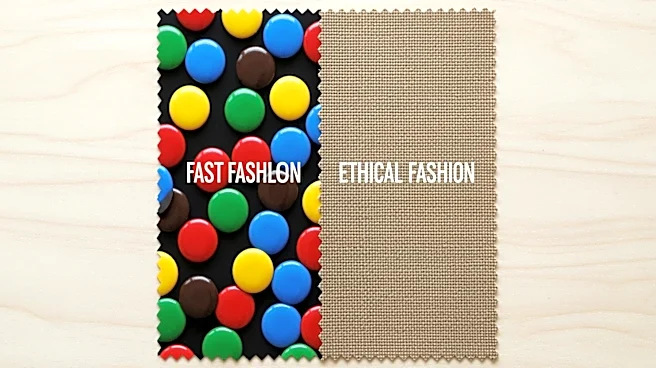
The acquisition of Everlane by Shein highlights the complexities and contradictions within the fashion industry, particularly concerning sustainability and ethical consumerism. Everlane's sale to a fast-fashion company known for its opaque practices raises questions about the viability of sustainable fashion brands in a market dominated by cost-driven consumer behavior. This development may influence consumer trust and loyalty, as well as the strategies of other brands that position themselves as ethical alternatives. It also underscores the challenges faced by brands attempting to balance profitability with ethical commitments.
Beyond the Headlines
The Everlane-Shein acquisition reflects broader trends in the fashion industry, where the pressure to maintain competitive pricing often conflicts with sustainability goals. This situation raises ethical questions about the true cost of fashion and the role of consumer responsibility in driving industry change. As consumers become more aware of these issues, brands may need to reassess their strategies to align with evolving consumer values. The acquisition also serves as a reminder of the power dynamics within the fashion industry, where larger companies can absorb smaller, value-driven brands, potentially diluting their original mission.