
What's Happening?
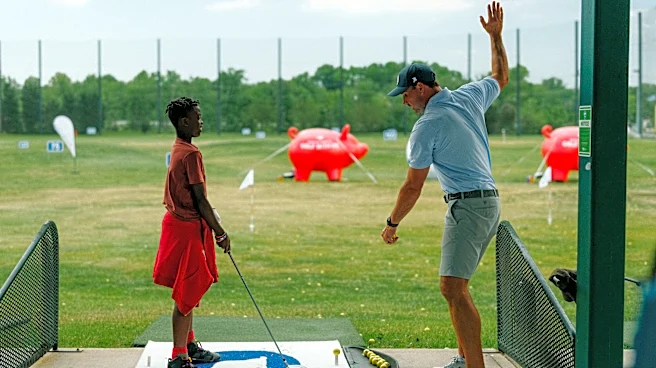
Ryan Zimmerman, a former World Series champion, is emphasizing the importance of fun and personal growth in youth sports. Speaking at a Bank of America 'Golf With Us' event, Zimmerman shared his perspective
on the current state of youth sports, which he believes has become overly focused on achieving professional success. He argues that the primary goal should be enjoyment and learning life lessons, rather than securing scholarships or professional contracts. Zimmerman, who has four children, expressed concern that the commercialization of youth sports is putting undue pressure on children and parents. He highlighted the role of private equity in buying up travel teams, which can lead to financial strain and burnout among young athletes. Zimmerman encourages parents to focus on their children's happiness and development, rather than pushing them towards unrealistic goals.
Why It's Important?
Zimmerman's comments highlight a growing concern about the commercialization and pressure in youth sports. As more organizations are driven by profit, the essence of sports as a fun and educational activity is being overshadowed. This shift can lead to increased stress for both children and parents, potentially causing young athletes to lose interest in sports altogether. By advocating for a return to the core values of sports—fun, teamwork, and personal growth—Zimmerman is calling for a cultural shift that could benefit the mental and physical well-being of young athletes. His perspective is particularly relevant in affluent areas where the financial burden of competitive sports can be significant. This discussion is crucial as it addresses the broader societal implications of how youth sports are structured and the values they promote.
What's Next?
Zimmerman's advocacy may inspire parents, coaches, and sports organizations to reevaluate their approach to youth sports. There could be a push towards creating more inclusive and less competitive environments that prioritize the well-being of young athletes. Organizations might consider implementing policies that reduce financial barriers and emphasize the importance of fun and personal development. Additionally, Zimmerman's message could lead to increased dialogue among stakeholders about the role of private equity in youth sports and its impact on accessibility and enjoyment. As more voices join the conversation, there may be a shift towards a more balanced approach that aligns with the original spirit of youth sports.