
What's Happening?
Alabama's head coach Nate Oats has expressed frustration over the NCAA ineligibility of center Charles Bediako, which he believes contributed to the team's loss against Michigan in the Sweet 16 of March Madness. Bediako, who played for Alabama in previous
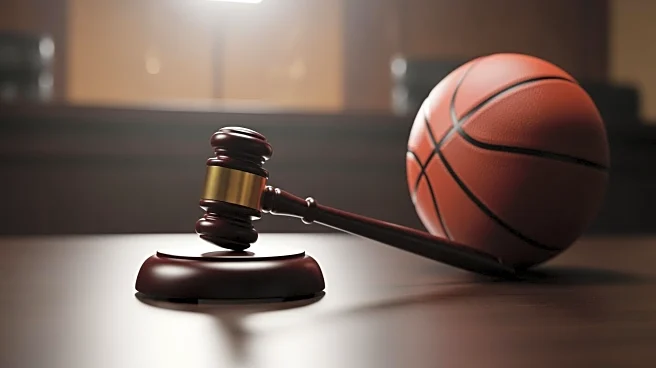
seasons and returned for five games in January, was averaging 10 points and 4.6 rebounds per game before being ruled ineligible. A Tuscaloosa judge initially allowed Bediako to practice and compete under a temporary restraining order while his lawsuit against the NCAA was pending. However, the restraining order expired, and another judge denied the motion to allow him to continue playing. Oats argued that Bediako's presence would have helped Alabama compete better against Michigan, who out-rebounded them significantly.
Why It's Important?
The ruling on Bediako's eligibility highlights ongoing debates around NCAA rules and the definition of amateurism, especially in the context of Name, Image, and Likeness (NIL) agreements. This case underscores the complexities athletes face when navigating eligibility rules, which can have significant impacts on team performance and individual careers. The decision not only affected Alabama's performance in the tournament but also raises questions about fairness and consistency in NCAA regulations. The broader implications could influence future legal challenges and policy changes regarding athlete eligibility and NIL agreements.
What's Next?
The outcome of Bediako's lawsuit against the NCAA could set a precedent for how eligibility rules are interpreted and enforced in the future. If successful, it may lead to changes in how athletes are allowed to compete under NIL agreements, potentially affecting recruitment strategies and team compositions. Stakeholders, including universities, athletes, and legal experts, will likely continue to monitor the case closely, as its resolution could impact NCAA policies and the balance between amateurism and professional opportunities for college athletes.