







What's Happening?
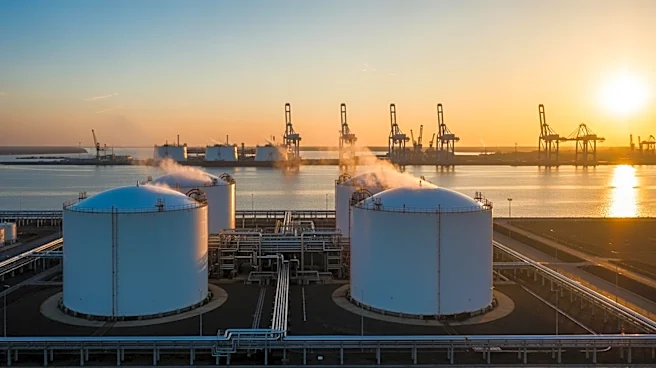
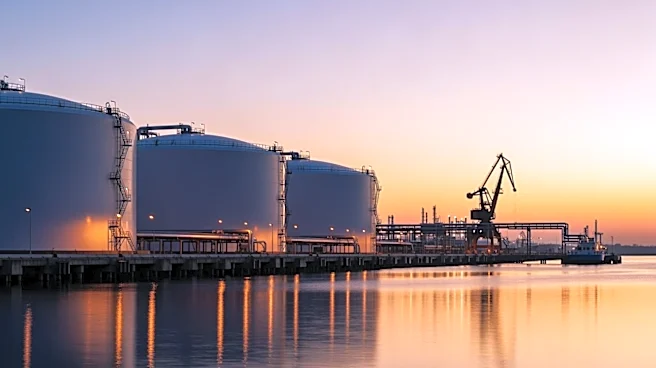
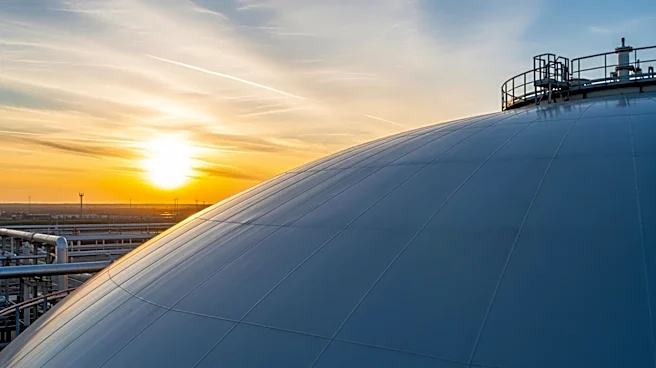
The global energy market is experiencing significant shifts as countries prioritize energy security over transition goals. This week, Commonwealth LNG approved a $13 billion export project in Louisiana, highlighting the U.S.'s commitment to expanding
its LNG export infrastructure. Bipartisan lawmakers have introduced legislation to prevent future LNG export moratoriums, reflecting the growing importance of natural gas exports as both an economic and geopolitical tool. The energy market is moving from crisis response to structural repricing, with tightening supply and renewed coal demand indicating a more constrained and expensive global energy system. OPEC's oil production has dropped to its lowest level in over two decades, exacerbating market tightness as the Iran conflict continues to disrupt supply.
Why It's Important?
The developments in the U.S. LNG sector underscore the strategic importance of natural gas in the current global energy landscape. As countries grapple with energy security concerns, the U.S. is positioning itself as a key player in the global LNG market. This shift has significant implications for U.S. economic and geopolitical influence, as natural gas exports become a critical tool in international relations. The focus on LNG also highlights the tension between immediate energy needs and long-term transition goals, as governments balance the demand for reliable supply with environmental considerations. The approval of major LNG projects signals a long-term commitment to energy security, which could reshape global energy priorities and trade flows.
What's Next?
As the U.S. continues to expand its LNG export capabilities, further legislative and investment decisions are expected to support this growth. The geopolitical landscape will likely influence future energy policies, with potential impacts on international relations and trade agreements. Stakeholders, including political leaders and energy companies, will need to navigate the complexities of balancing energy security with environmental goals. The ongoing Iran conflict and its impact on key shipping routes will remain a critical factor in global energy dynamics, potentially leading to further market volatility and strategic realignments.