



What's Happening?
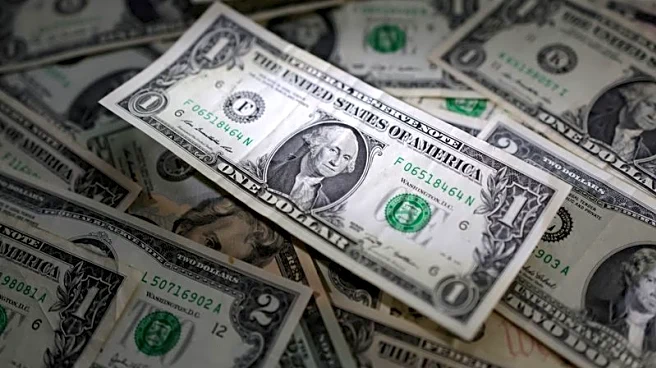
The Federal Reserve confirmed that it conducted 'rate checks' on the dollar-yen exchange rate at the request of the U.S. Treasury. This unusual action, detailed in the minutes of the Fed's January 27-28 meeting, was aimed at gathering indicative quotes on the exchange rate. The move came as the dollar had depreciated significantly, prompting speculation about potential currency intervention. However, U.S. Treasury Secretary Scott Bessent denied any active intervention in the currency markets. The rate checks led to a strengthening of the yen against the dollar, but there were no subsequent signs of large-scale intervention by either the U.S. or Japan.
Why It's Important?
This development is significant as it marks the first potential joint U.S.-Japan currency intervention
in 15 years, highlighting the sensitivity of global markets to currency fluctuations. The Fed's action, although not an intervention, signals heightened vigilance over exchange rate stability, which is crucial for international trade and economic relations. The strengthening of the yen could impact Japanese exports, making them more expensive, while a weaker dollar could affect U.S. import costs and inflation. The situation underscores the delicate balance central banks must maintain in managing currency values without direct market intervention.
What's Next?
While no immediate intervention followed the rate checks, the situation may prompt further discussions between the U.S. and Japan regarding currency stability. Market participants will likely remain alert to any future signals from the Fed or Treasury that could indicate a shift towards more direct intervention. Additionally, the impact on trade balances and inflation rates will be closely monitored by economists and policymakers, potentially influencing future monetary policy decisions.