

What's Happening?
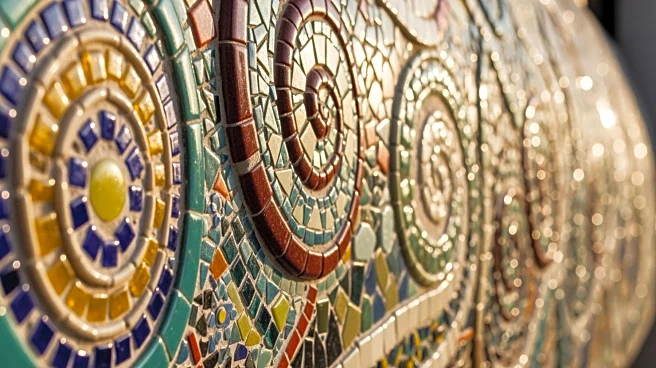
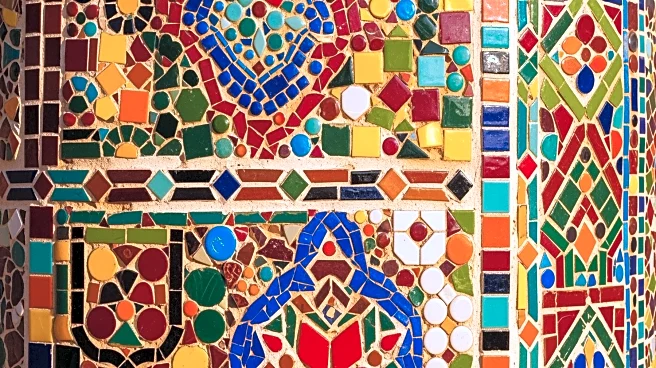
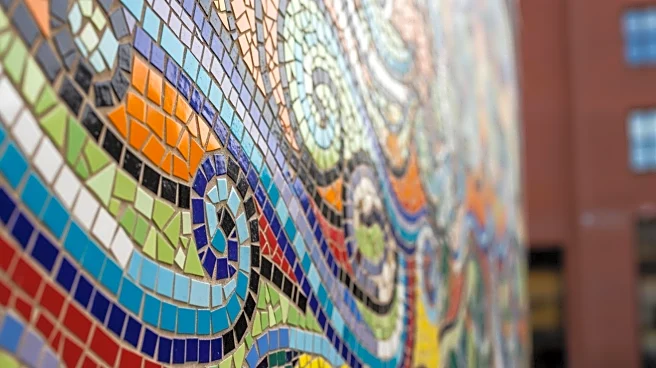
Isaiah Zagar, the renowned mosaic artist and founder of Philadelphia's Magic Gardens, has died at the age of 86. Zagar, known for his vibrant and intricate mosaics, passed away due to complications from congestive heart failure and Parkinson's disease. His work, which includes over 200 public murals, has significantly contributed to the revitalization of South Street in Philadelphia. Zagar's most famous creation, the Magic Gardens, is a sprawling mosaic museum that attracts visitors from around the world. Throughout his career, Zagar was influenced by Latin American folk art and used his art as a means of coping with personal challenges. His legacy includes not only his art but also his impact on the community and the cultural landscape of Philadelphia.
Why It's Important?
Isaiah Zagar's contributions to Philadelphia's art scene are profound, as his mosaics have become iconic symbols of the city's cultural identity. His work has played a crucial role in the revitalization of South Street, transforming it into a vibrant arts corridor. Zagar's approach to art as a therapeutic process has inspired many, highlighting the importance of art in mental health and community building. His passing marks the end of an era for Philadelphia's art community, but his legacy will continue to influence artists and residents alike. The Magic Gardens and other public works serve as lasting testaments to his creativity and vision, ensuring that his impact will be felt for generations.
What's Next?
A public memorial for Isaiah Zagar will be announced at a later date, allowing the community to celebrate his life and contributions. Philadelphia's Magic Gardens, which Zagar founded, will likely continue to serve as a hub for art and culture in the city, preserving his legacy. The organization has previously addressed allegations of inappropriate behavior by Zagar, emphasizing their commitment to maintaining a safe and inclusive environment. As the community mourns his loss, there may be renewed interest in preserving and promoting Zagar's work, potentially leading to new initiatives to support public art in Philadelphia.