
What's Happening?
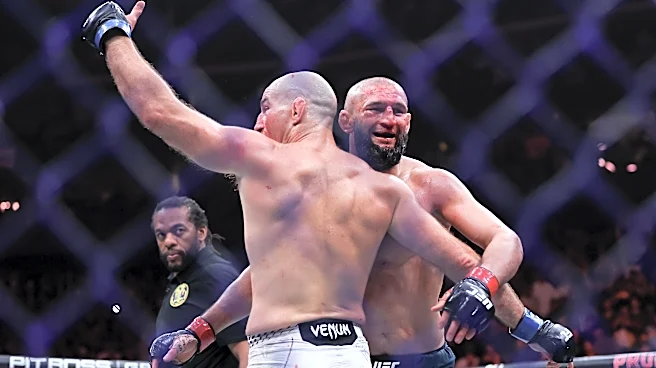
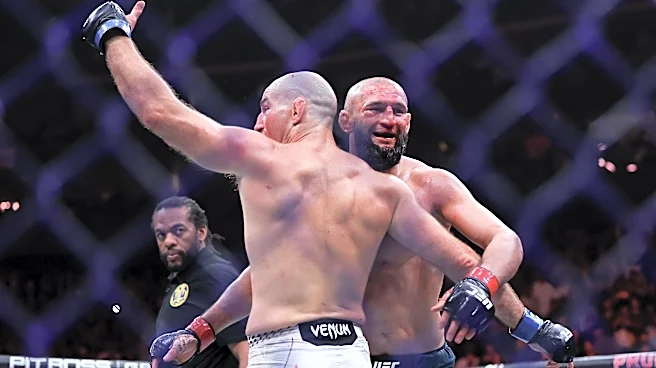
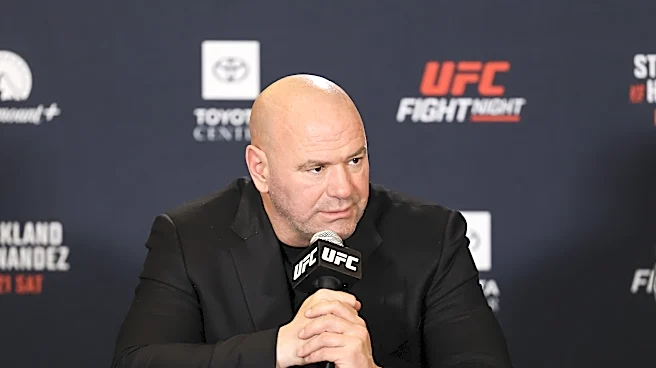
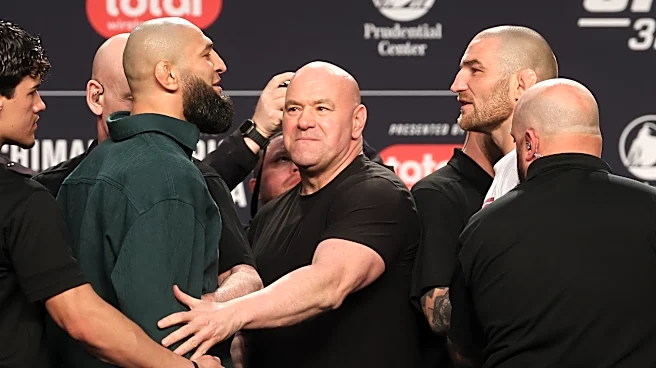
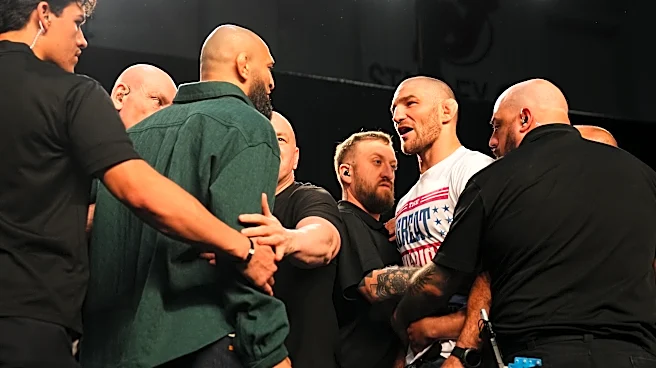
Dana White, the CEO of UFC, expressed skepticism about a lasting change in Sean Strickland's persona following his victory at UFC 328. Strickland regained the UFC middleweight title with a split decision
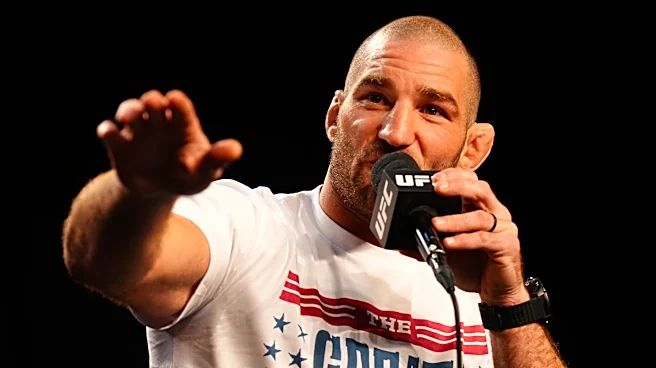
win over Khamzat Chimaev in Newark, New Jersey. During the post-fight press conference, Strickland spoke candidly about his struggles with self-worth and how fighting has provided him with a sense of purpose. Despite this introspective moment, White doubts that Strickland's apparent transformation will endure. Strickland has been known for his controversial remarks and promotional antics, which have garnered both positive and negative attention. White acknowledged the emotional toll of the fight buildup and the intense experiences leading up to the event, suggesting that Strickland's reflective state might be temporary.
Why It's Important?
The outcome of UFC 328 and Strickland's subsequent comments highlight the complex nature of professional fighting, where athletes often grapple with personal and public personas. Strickland's victory over Chimaev, a significant upset, underscores his skill and resilience in the sport. However, White's skepticism points to a broader issue within the UFC and combat sports, where fighters' public images can overshadow their athletic achievements. This situation raises questions about the pressures fighters face to maintain certain personas for promotional purposes, potentially affecting their mental health and public perception. The UFC's handling of such narratives can influence the sport's culture and the way fighters are marketed and perceived by fans.
What's Next?
As Strickland continues his career, it remains to be seen whether his introspective comments will lead to a sustained change in his public persona. The UFC and its leadership, including Dana White, may need to consider how they support fighters in managing their public images and personal well-being. Future matchups for Strickland could further test his ability to balance his fighting prowess with the expectations of fans and the media. Additionally, the UFC may face scrutiny over how it promotes fighters and the potential impact on their mental health, prompting discussions about the responsibilities of sports organizations in supporting their athletes.