

What's Happening?
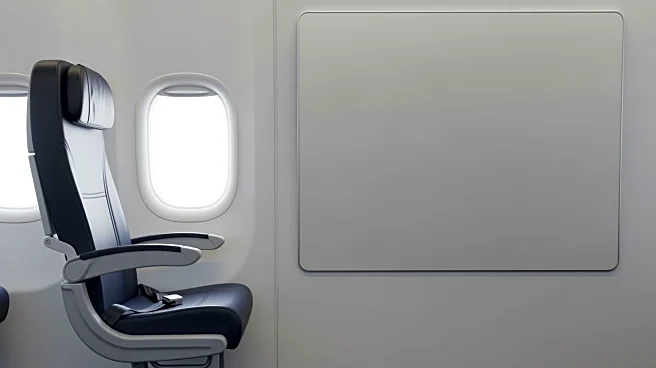
Southwest Airlines is facing potential legal challenges due to its recent policy of charging extra for 'window seats' that lack actual windows. This issue has arisen as customers have discovered that some seats marketed as window seats do not provide the expected view, leading to dissatisfaction and complaints. The airline's failure to update seat maps to accurately reflect the seating arrangements has exacerbated the situation. This oversight has led to comparisons with similar legal actions faced by other airlines, such as United and Delta, which have also been criticized for similar practices. The controversy highlights the importance of transparency in airline seating arrangements and the potential legal ramifications of misleading marketing
practices.
Why It's Important?
The situation underscores the critical need for transparency and accuracy in airline marketing practices, particularly regarding seating arrangements. For consumers, the expectation of receiving what they pay for is fundamental, and any deviation from this can lead to significant dissatisfaction and loss of trust. For Southwest Airlines, the potential legal challenges could result in financial liabilities, including legal fees and possible settlements. This issue also highlights a broader industry challenge, as airlines strive to balance revenue generation with customer satisfaction. The outcome of this situation could set a precedent for how airlines handle similar issues in the future, potentially influencing industry standards and practices.
What's Next?
Southwest Airlines may need to address this issue promptly to mitigate potential legal consequences. This could involve updating their seat maps to accurately reflect the seating arrangements and ensuring that customers are fully informed about what they are purchasing. Additionally, the airline might consider offering compensation or refunds to affected customers to maintain goodwill. The response from Southwest will be closely watched by both consumers and industry observers, as it could influence customer loyalty and the airline's reputation. Other airlines may also monitor the situation to assess the potential impact on their own practices and policies.