


What's Happening?
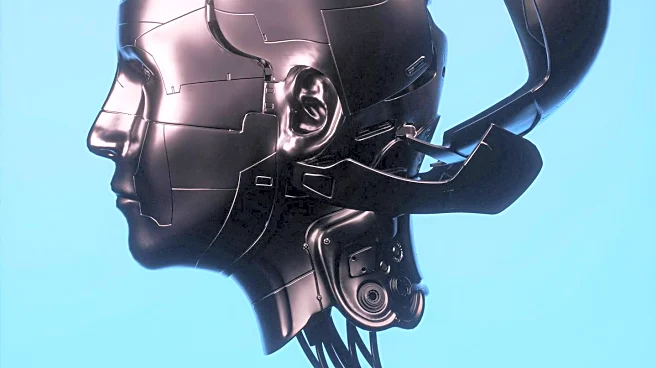
The concept of the 'uncanny valley,' first proposed by Japanese roboticist Masahiro Mori in 1970, is being revisited as humanoid robots become more prevalent in commercial settings. This psychological phenomenon describes the discomfort humans feel when
encountering robots that closely resemble humans but are not quite perfect. The article explores various cultural and fictional representations of the uncanny valley, such as the Stepford Wives and the synths from the TV series 'Humans.' It discusses how different design philosophies in robotics, from mechanical transparency to human-like features, impact human-robot interaction and acceptance.
Why It's Important?
Understanding the uncanny valley is crucial for the successful integration of humanoid robots into society. As robots become more human-like, designers must balance realism with functionality to avoid triggering discomfort. This has implications for industries like healthcare and hospitality, where human-like robots could enhance service delivery. The insights gained from studying the uncanny valley can guide the development of robots that are both effective and socially acceptable, potentially accelerating their adoption and integration into everyday life.
Beyond the Headlines
The uncanny valley highlights the complex interplay between technology and human psychology. It raises ethical questions about the extent to which robots should mimic human appearance and behavior. As robots become more lifelike, society must grapple with issues of identity, agency, and the nature of human-robot relationships. These considerations will shape the future of robotics and influence how humans coexist with increasingly sophisticated machines.