





What's Happening?
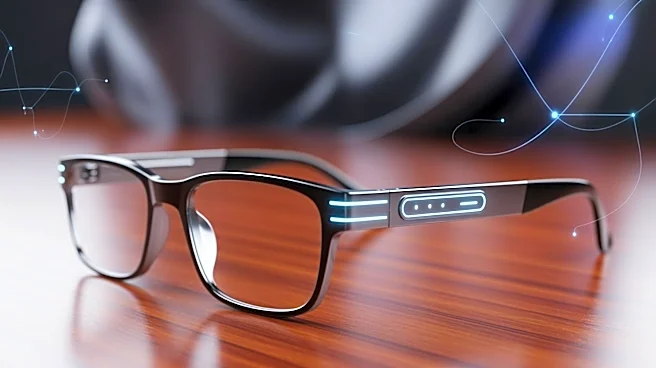
A recent review by The Verge has sparked a debate over the practicality of smart glasses, highlighting their limited daily use despite technological advancements. Meta's Reality Labs reported a $4 billion quarterly loss, underscoring the heavy investment
in augmented reality (AR) technology. Despite improved optics and AI capabilities, smart glasses face criticism for inconsistent battery life and privacy concerns. The industry is at a crossroads, with manufacturers needing to decide whether to simplify products for specific use cases or continue adding features to appeal to a broader audience.
Why It's Important?
The ongoing challenges faced by smart glasses manufacturers have significant implications for the AR industry. Meta's substantial financial losses indicate the high costs associated with developing and marketing these devices. The lack of consumer adoption could deter future investments and slow down innovation in the AR sector. Companies must address consumer concerns and demonstrate clear, practical applications for smart glasses to gain traction. The outcome of this debate could influence the direction of AR technology and its integration into daily life.
What's Next?
Manufacturers may need to pivot their strategies, potentially focusing on enterprise applications or reducing prices to attract consumers. The industry could see more targeted marketing efforts and product iterations aimed at overcoming current limitations. The response from consumers and investors will be crucial in determining the future viability of smart glasses. Companies might also explore partnerships or acquisitions to bolster their technological capabilities and market reach.