
What's Happening?
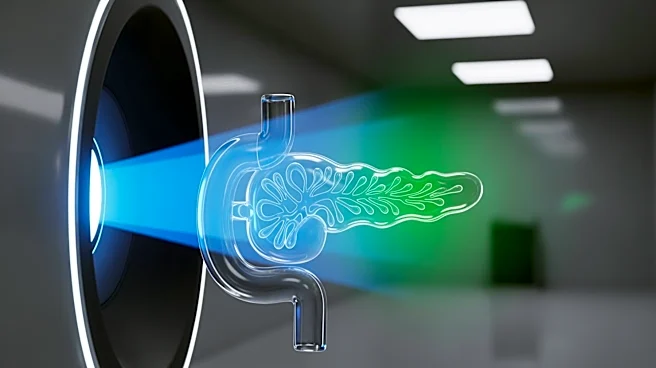
A new artificial intelligence tool developed at the Mayo Clinic has shown the potential to detect pancreatic cancer up to three years before traditional CT scans can identify tumors. This AI model was
tested on scans of patients who were later diagnosed with pancreatic cancer, and it was found to be three times more effective than radiologists at identifying early signs of the disease. Pancreatic cancer is known for its aggressive nature and low survival rate, with a 13% five-year survival rate and over 52,700 projected deaths this year, according to the American Cancer Society. The AI tool's ability to detect abnormalities early could significantly improve these statistics by allowing for earlier intervention.
Why It's Important?
The development of this AI tool is significant as it addresses one of the most challenging aspects of pancreatic cancer—early detection. By identifying the disease years before symptoms appear, patients could receive treatment earlier, potentially improving survival rates. This advancement could also reduce the burden on healthcare systems by decreasing the need for more invasive diagnostic procedures. However, the reliance on AI in medical diagnostics raises concerns about the need for human oversight to ensure ethical accountability and accurate interpretation of results. The tool's success could pave the way for similar AI applications in detecting other hard-to-diagnose diseases.
What's Next?
The AI tool is currently in clinical trials, and its developers hope it will be particularly beneficial for individuals with a family history of pancreatic cancer who are not yet showing symptoms. If successful, the tool could be integrated into routine screening processes, potentially becoming a standard part of early cancer detection protocols. The medical community will likely monitor the outcomes of these trials closely, as they could influence future research and development in AI-driven diagnostics. Additionally, discussions around the ethical use of AI in healthcare are expected to continue, emphasizing the importance of maintaining human oversight in medical decision-making.
Beyond the Headlines
The introduction of AI in cancer detection highlights a broader trend towards integrating technology in healthcare to improve patient outcomes. This development could lead to a shift in how medical professionals approach diagnostics, emphasizing the need for interdisciplinary collaboration between technologists and healthcare providers. Furthermore, the success of such tools could drive investment in AI research, potentially leading to breakthroughs in other areas of medicine. However, it also raises questions about data privacy and the need for robust regulatory frameworks to govern the use of AI in healthcare.