
What's Happening?
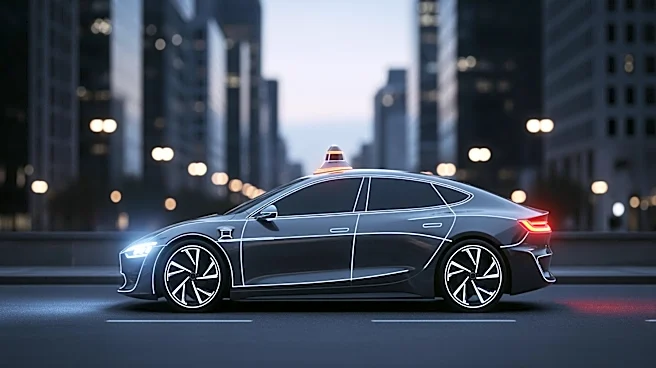
Waymo has begun testing its autonomous vehicles on the streets of Chicago, a city known for its challenging road conditions due to harsh winters and ongoing construction. The testing comes amid unclear
state regulations for autonomous vehicle operations. The city's infrastructure, characterized by frequent potholes and unpredictable weather, poses significant challenges for the technology, which was primarily developed in San Francisco. The entry of Waymo into Chicago raises questions about the readiness of autonomous vehicles to handle the unique conditions of the city's roads.
Why It's Important?
The deployment of Waymo's autonomous vehicles in Chicago is a critical test for the technology's adaptability to diverse urban environments. Success in Chicago could pave the way for broader adoption of autonomous vehicles in other cities with similar challenges. However, the initiative also raises safety concerns, particularly regarding the vehicles' ability to navigate complex road conditions and the potential impact on the livelihoods of local drivers. The situation underscores the need for careful consideration of technological advancements and their integration into existing urban infrastructures.
What's Next?
As Waymo continues its testing in Chicago, the company will need to address the specific challenges posed by the city's infrastructure. This may involve refining its technology to better handle adverse weather conditions and road irregularities. Additionally, local authorities may need to establish clearer regulatory frameworks to ensure the safe operation of autonomous vehicles. The outcome of Waymo's testing could influence future policies and the pace of autonomous vehicle integration in urban areas.