



What's Happening?
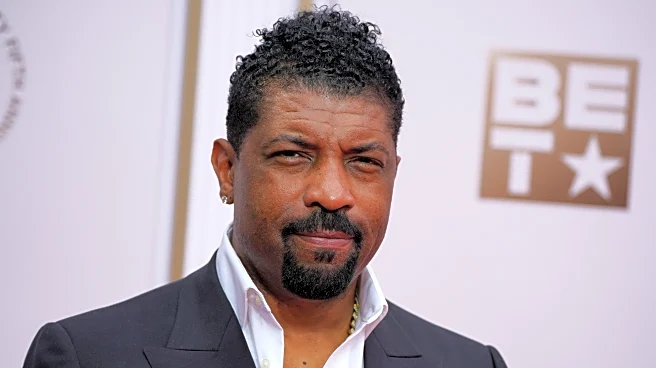
During the recent BAFTA awards, activist and Tourette's advocate John Davidson shouted the N-word while actors Michael B. Jordan and Delroy Lindo were onstage. BAFTA issued an apology, taking full responsibility for the incident, but Davidson claims that
BAFTA had assured him that any swearing would be edited out of the broadcast. Despite the show being on a two-hour delay, the offensive language was not removed. Davidson expressed disappointment, noting that the BBC should have anticipated the nature of Tourette's and taken measures to prevent such outbursts from being broadcast. He also mentioned that a microphone near him picked up several outbursts throughout the evening. Davidson reached out to the affected parties, including Jordan and Lindo, and criticized the BBC's handling of the situation.
Why It's Important?
The incident highlights the challenges faced by individuals with Tourette's syndrome in public settings and the responsibility of broadcasters to manage live events sensitively. The failure to edit out Davidson's outburst raises questions about the preparedness and responsiveness of organizations like BAFTA and the BBC in handling unexpected situations. This event could lead to increased scrutiny on how live broadcasts are managed, particularly in terms of accommodating individuals with disabilities. It also underscores the importance of effective communication and planning to prevent similar occurrences in the future, potentially influencing policy changes within broadcasting organizations.
What's Next?
Following the incident, there may be calls for BAFTA and the BBC to review their policies and procedures regarding live broadcasts, especially concerning individuals with conditions like Tourette's. Stakeholders, including disability advocates, might push for more inclusive practices and better training for staff involved in live events. The incident could also prompt discussions about the representation and treatment of individuals with disabilities in media and entertainment, leading to broader changes in industry standards.
Beyond the Headlines
The situation raises ethical questions about the responsibility of media organizations to protect individuals with disabilities from public scrutiny and embarrassment. It also highlights the need for greater awareness and understanding of Tourette's syndrome among the general public and media professionals. Long-term, this incident could contribute to a shift in how live events are produced, with a focus on inclusivity and sensitivity towards all participants.