
What's Happening?
A recent study published in Obesity Reviews by researchers from the University of Sydney suggests that alcohol consumption may influence food cravings, particularly increasing the desire for savory foods.
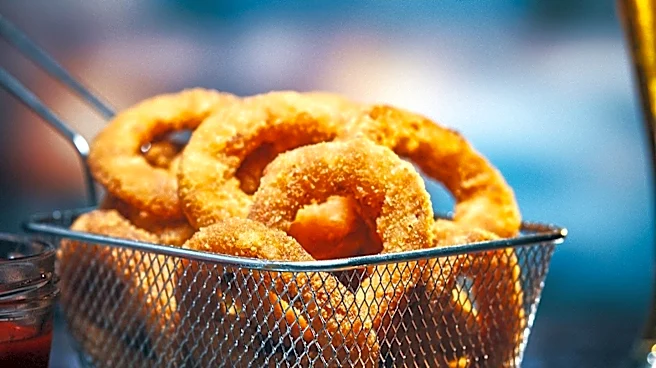
The study indicates that alcohol can stimulate a hormone known as FGF21, which enhances the preference for savory foods while reducing the preference for sweet foods. This hormonal change may lead to significant overeating, especially when combined with diets rich in ultra-processed foods. The research involved interviews with over 9,000 Australians and found that those who consumed alcohol reported a higher intake of savory foods and a lower intake of sweet foods compared to non-drinkers. The study highlights that individuals consuming a diet high in ultra-processed savory foods and alcohol intake consumed 40% more calories than the daily recommendation.
Why It's Important?
The findings of this study are significant as they suggest a potential link between alcohol consumption and the obesity epidemic. By increasing cravings for savory, often high-calorie foods, alcohol may contribute to excessive caloric intake and weight gain. This has implications for public health, as it underscores the importance of dietary choices in managing weight and preventing obesity-related health issues. The study also suggests that advising individuals to limit their intake of highly processed foods could be crucial in reducing the risk of weight gain among regular drinkers. Understanding the role of alcohol in dietary habits can help inform public health strategies and individual dietary choices.
What's Next?
The study's authors recommend further research to directly measure FGF21 levels and its impact on food intake. Additionally, public health campaigns may focus on educating individuals about the potential effects of alcohol on food cravings and the importance of choosing minimally processed foods. Nutritionists and healthcare providers might also emphasize the benefits of consuming balanced meals with adequate protein and fiber before drinking alcohol to mitigate the risk of overeating.