





What's Happening?
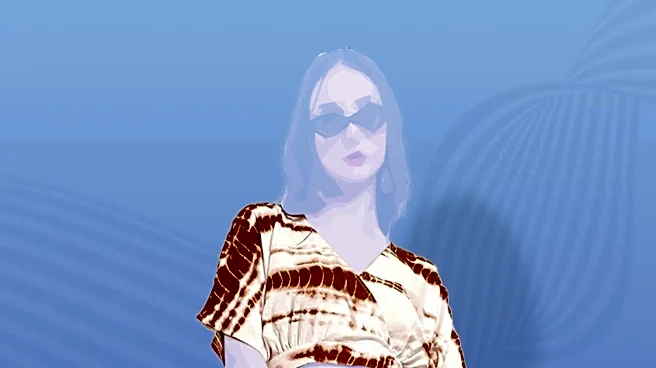
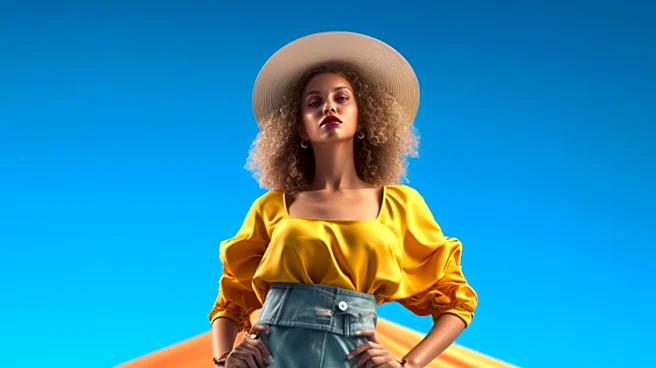
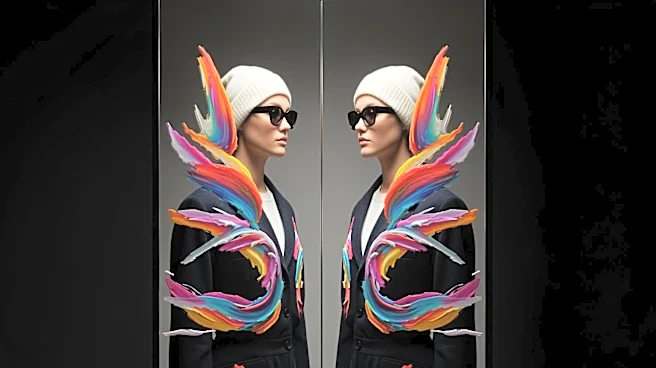
The latest issue of American Vogue has sparked significant controversy due to Guess's new advertisement campaign featuring AI-generated models. The campaign, which appears in the August 2025 issue, includes two AI-created models named Vivienne and Anastasia,
developed by the London-based AI marketing agency Seraphinne Vallora. This move has ignited debates on social media platforms like TikTok, where users have criticized the use of 'fake women' in fashion magazines. Critics argue that such practices could lead to job losses for real models and photographers, and perpetuate unrealistic beauty standards. Despite the backlash, Seraphinne Vallora's co-founders, Valentina Gonzalez and Andreea Petrescu, emphasize that their intention is not to replace the modeling industry but to offer a new marketing avenue. They assert that photography remains central to fashion and that their AI models are meant to coexist with traditional methods.
Why It's Important?
The introduction of AI-generated models in high-profile fashion campaigns like Guess's raises significant questions about the future of the modeling industry and the role of technology in creative fields. This development could potentially disrupt traditional modeling jobs, affecting photographers, stylists, and models who rely on such campaigns for their livelihood. Moreover, the use of AI models may contribute to the ongoing issue of unrealistic beauty standards, which can have detrimental effects on societal perceptions of beauty and self-worth, particularly among young women. The controversy highlights a broader conversation about the ethical implications of AI in creative industries and the balance between innovation and preserving human roles.
What's Next?
As the debate continues, it is likely that fashion brands and magazines will face increased scrutiny over their use of AI in advertising. Stakeholders in the fashion industry, including brands, agencies, and advocacy groups, may need to engage in discussions about ethical guidelines and the potential impact on employment. Additionally, consumer reactions and feedback could influence future marketing strategies, potentially leading to a reevaluation of how AI is integrated into fashion campaigns. The industry may also see a push for more transparency and accountability in how AI-generated content is used and presented to the public.
Beyond the Headlines
The controversy surrounding AI-generated models in fashion ads also touches on deeper cultural and ethical issues. It raises questions about authenticity in marketing and the potential for AI to create hyper-realistic yet unattainable beauty ideals. This could lead to a cultural shift in how beauty is perceived and valued, challenging traditional norms and expectations. Furthermore, the use of AI in creative industries may prompt discussions about intellectual property rights and the ownership of AI-generated content, as well as the need for new regulatory frameworks to address these emerging challenges.