







What's Happening?
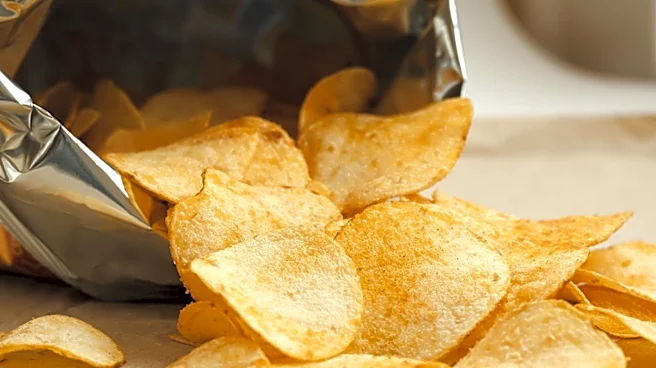
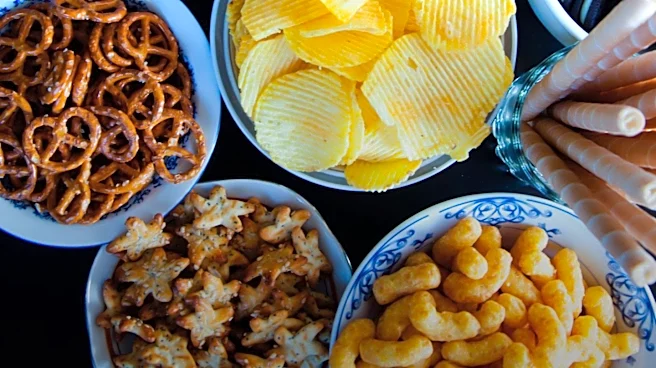
The latest trend in snack foods involves products marketed as 'naked' or 'natural,' free from dyes and artificial flavors. However, experts like Maya Vadiveloo, a registered dietitian, caution that these snacks may not be healthier than their traditional
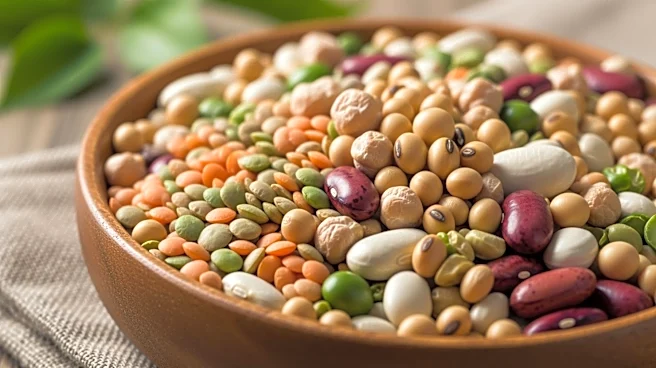
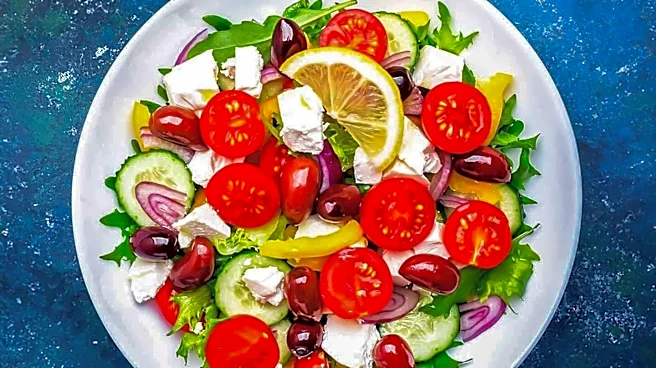
counterparts. The trend is part of a broader movement against ultra-processed foods, which are defined by the inclusion of cosmetic additives not typically found in home kitchens. Despite the removal of certain additives, these snacks often remain high in calories and lack essential nutrients. Vadiveloo emphasizes the importance of choosing whole foods that offer protein, fiber, and other nutrients, as many Americans underconsume fruits and vegetables.
Why It's Important?
The rise of 'naked' and 'natural' snacks reflects growing consumer awareness and concern about ultra-processed foods and their potential health impacts. However, the marketing of these products can be misleading, as the absence of artificial additives does not necessarily equate to improved nutritional value. This trend highlights the need for consumers to critically evaluate health claims and prioritize nutrient-rich foods. The ongoing debate over ultra-processed foods has implications for public health, as dietary choices play a significant role in preventing chronic diseases and promoting overall well-being.
Beyond the Headlines
The marketing strategies used to promote 'naked' and 'natural' snacks illustrate the influence of behavioral economics on consumer choices. Companies often use packaging and labeling to create perceptions of healthiness, even when the nutritional content remains unchanged. This phenomenon underscores the importance of consumer education and transparency in food labeling. As the conversation around ultra-processed foods continues, there may be increased pressure on manufacturers to reformulate products and provide clearer information about their nutritional content. This could lead to regulatory changes and shifts in consumer behavior, ultimately impacting the food industry.