







What's Happening?
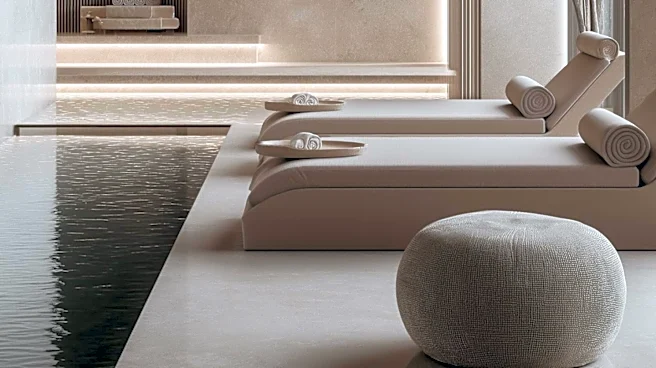
Hotels are increasingly adopting minimalist design principles to create quieter and more personalized spaces for guests. This approach involves reducing clutter and visual noise in hotel rooms, which enhances psychological ownership and provides a sanctuary
for relaxation. The use of insulation materials like closed-cell spray foam or mineral wool is also becoming common to absorb sound and prevent noise and moisture problems. Research indicates that overcrowded hotel rooms with excess items can hinder guests' ability to personalize their space, reducing satisfaction. By respecting empty space and eliminating unwanted items, hotels aim to offer 'quiet luxury' and a sense of order, allowing guests to feel more at home during their stay.
Why It's Important?
The shift towards minimalist hotel room design is significant as it directly impacts guest satisfaction and loyalty. By creating spaces that guests can personalize, hotels enhance the psychological ownership of the room, which can lead to increased brand loyalty. This approach not only improves the guest experience but also aligns with the growing demand for sustainable and clutter-free environments. As travelers increasingly seek comfort and tranquility, hotels that offer such experiences may gain a competitive edge in the hospitality industry. The focus on reducing noise and visual clutter also addresses common traveler complaints, potentially leading to better reviews and repeat business.