





What's Happening?
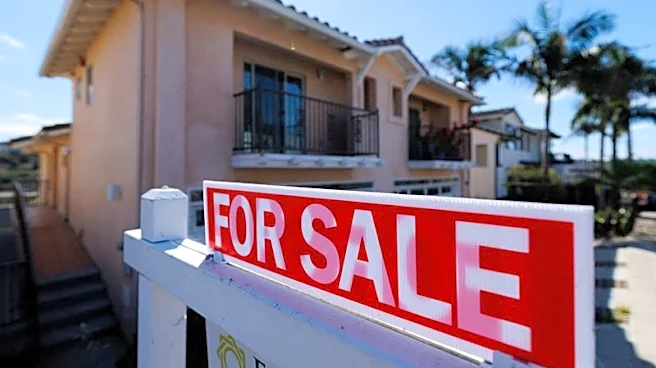
The National Association of Realtors (NAR) reports that home prices have increased in 71% of U.S. metro markets in the first quarter of 2026, despite a slowdown in the Western region. The national median single-family existing-home price rose by 0.5%
year-over-year to $404,300. The Northeast and Midwest regions experienced the most significant price increases, with the Northeast seeing a 4.9% rise and the Midwest a 3.6% increase. In contrast, the West saw a 2.9% decline in home prices. The report highlights a growing regional divide in the housing market, with inventory shortages driving price gains in some areas while others experience declines.
Why It's Important?
The continued rise in home prices in most U.S. markets reflects ongoing challenges in the housing sector, including inventory shortages and regional disparities. The increase in home prices boosts housing wealth for many homeowners, but it also raises affordability concerns, particularly for first-time buyers. The regional divide, with the West experiencing price declines, suggests varying economic conditions and housing market dynamics across the country. These trends have implications for policymakers and industry stakeholders as they navigate issues related to housing affordability, supply constraints, and economic disparities. The report also indicates potential opportunities in the condominium market, which is showing signs of stabilization.
What's Next?
As the housing market continues to evolve, stakeholders will need to address the underlying factors contributing to regional disparities and affordability challenges. Efforts to increase housing supply, particularly in high-demand areas, could help alleviate some of the pressure on home prices. Additionally, monitoring economic conditions and consumer confidence will be crucial in predicting future market trends. The potential for lower mortgage rates may provide some relief for buyers, but ongoing economic uncertainties could impact future housing market dynamics. Policymakers and industry leaders may need to explore innovative solutions to support housing affordability and address regional disparities.