
What's Happening?
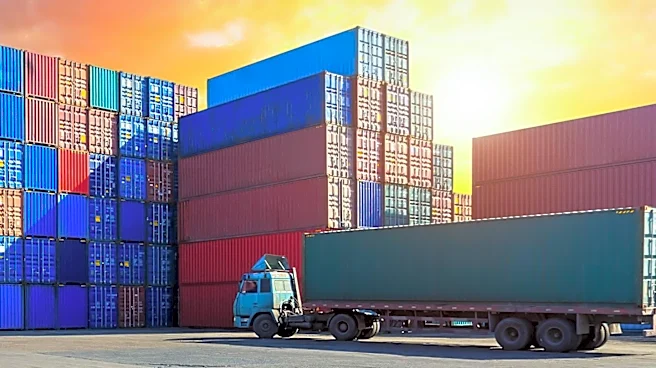
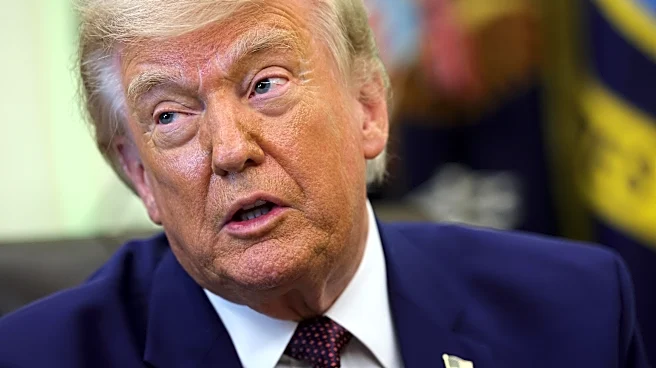
The European steel industry has reported a 34% decline in steel exports to the U.S. following the Trump administration's decision to double import tariffs on steel and aluminum to 50%. The tariffs have
also affected derivative products, such as washing machines and motorbikes, impacting European demand. The EU and the U.S. had previously agreed to a trade deal that included a broad 15% U.S. tariff on EU exports, but the recent tariff increase has strained this agreement. The EU is considering suspending some concessions if the tariffs are not reduced by the end of the year.
Why It's Important?
The reduction in EU steel exports to the U.S. highlights the significant impact of tariffs on international trade and industry. The increased tariffs have strained the trade relationship between the U.S. and the EU, potentially affecting economic cooperation and global supply chains. The decline in exports could lead to economic challenges for the European steel industry, affecting jobs and economic growth. The situation underscores the complexities of international trade negotiations and the potential consequences of protectionist policies.
What's Next?
The EU is considering suspending some concessions if the tariffs are not reduced by the end of the year. The U.S. and the EU will need to engage in further negotiations to address the tariff issue and maintain their trade relationship. The outcome of these discussions will have implications for global trade dynamics and economic cooperation. The situation highlights the need for balanced trade policies that consider the interests of all parties involved.