
What's Happening?
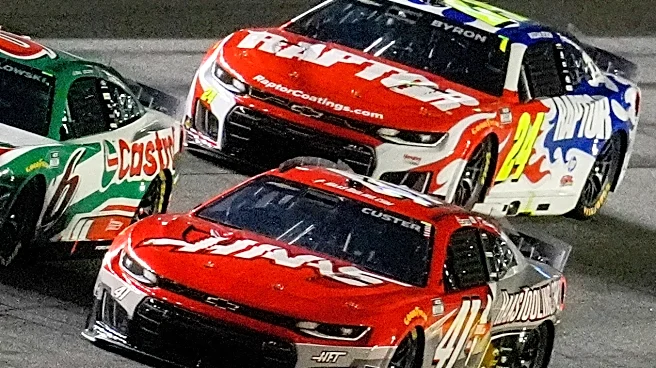
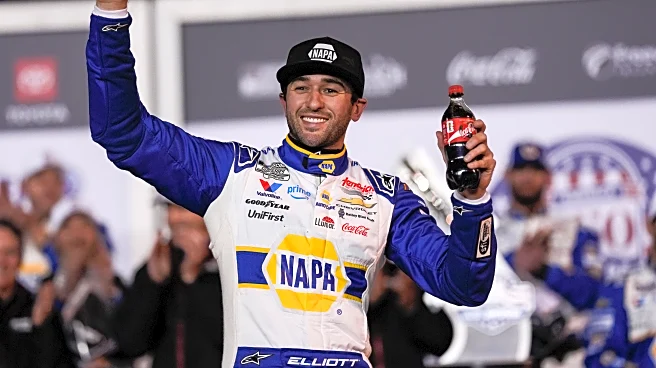
During the Daytona 500, Brad Keselowski expressed frustration over a move by Riley Herbst that led to a multi-car wreck near the finish line. Herbst, attempting to block Keselowski's advance, was involved in a collision that also affected other top contenders like Joey Logano and Chase Elliott. Keselowski, who finished fifth, criticized Herbst's decision as reckless, stating it was one of the 'dumbest things' he had seen. Herbst defended his actions, explaining he was trying to win the race and make a strategic move. The incident highlights the high-stakes nature of NASCAR racing, where split-second decisions can have significant consequences.
Why It's Important?
The incident underscores the intense competition and strategic complexity of NASCAR racing, where drivers
must balance aggression with caution. Keselowski's criticism reflects the broader challenges drivers face in high-pressure situations, where one miscalculation can impact multiple competitors. This event may prompt discussions within the NASCAR community about race strategies and the risks associated with aggressive maneuvers. For fans, such dramatic moments enhance the excitement and unpredictability of the sport, potentially increasing viewership and engagement.
What's Next?
In the aftermath of the Daytona 500, there may be discussions among teams and drivers about race strategies and the implications of aggressive driving. NASCAR officials might review the incident to determine if any rule changes or guidelines are necessary to prevent similar occurrences. For Keselowski and Herbst, the focus will likely shift to upcoming races, where they will aim to improve their standings and avoid repeat incidents. The broader NASCAR community will be watching to see how these drivers adapt their strategies in future competitions.