




What's Happening?
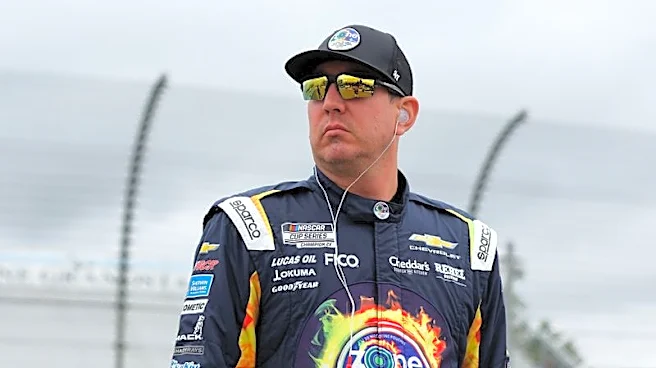
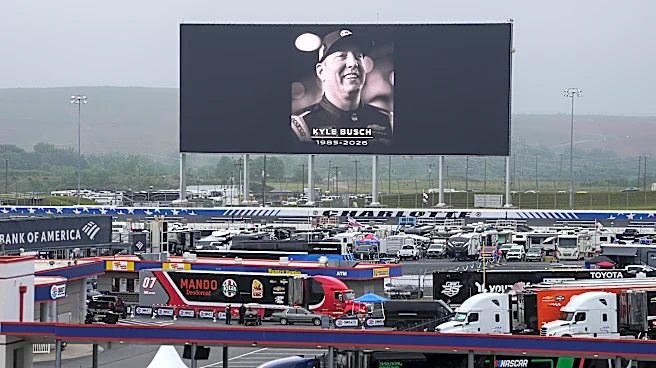
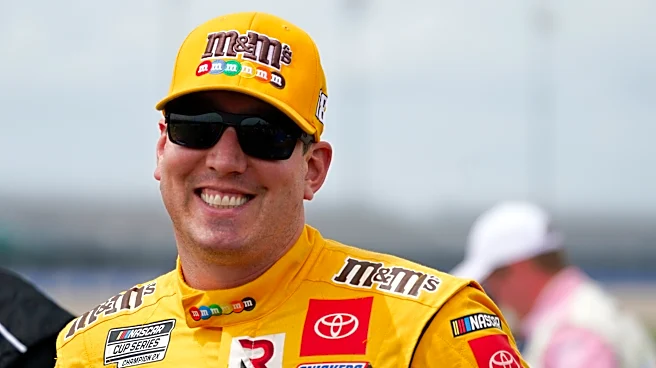
Kyle Busch, a two-time NASCAR Cup Series champion, has died at the age of 41 due to complications from severe pneumonia that progressed into sepsis. His family announced the tragic news on Saturday, requesting privacy during this difficult time. Sepsis,
as described by the Centers for Disease Control and Prevention, is a life-threatening response to infection that can lead to tissue damage, organ failure, and death. Busch was reportedly testing at a racing simulator in Charlotte, North Carolina, when he became unresponsive and was subsequently hospitalized. Prior to his hospitalization, Busch experienced symptoms including coughing up blood and shortness of breath. A 911 call revealed that he was found on the bathroom floor, conscious but in distress. The incident occurred just days before he was scheduled to participate in the Coca-Cola 600 at Charlotte Motor Speedway.
Why It's Important?
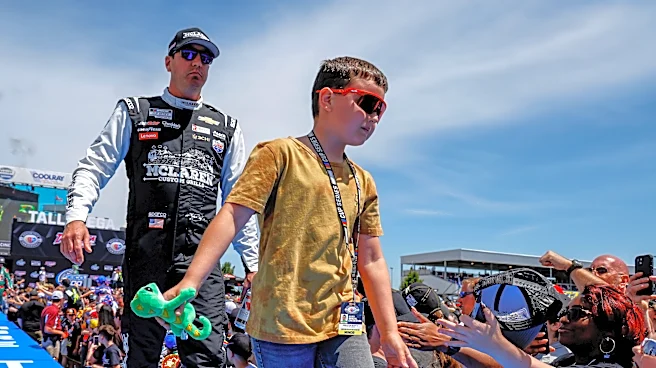
The death of Kyle Busch is a significant loss to the NASCAR community and highlights the severe risks associated with infections like pneumonia and sepsis. Busch was a prominent figure in the racing world, known for his competitive spirit and numerous achievements. His passing underscores the critical importance of early detection and treatment of infections to prevent severe outcomes. The incident also brings attention to the health risks faced by athletes who often push their physical limits. For NASCAR, the loss of Busch could impact team dynamics and fan engagement, as he was a key driver for Richard Childress Racing. The team's decision to suspend the use of Busch's No. 8 car until his son, Brexton, is ready to race, reflects the deep personal and professional impact of his death.
What's Next?
In the wake of Busch's death, NASCAR and his team, Richard Childress Racing, will need to address the immediate gap left by his absence. The team has decided to use the No. 33 car temporarily, indicating a period of transition and adjustment. The racing community may also see increased awareness and preventive measures regarding health and safety protocols for drivers. Fans and fellow racers are likely to pay tribute to Busch in upcoming events, celebrating his legacy and contributions to the sport. Additionally, there may be discussions within the industry about the health risks associated with the demanding nature of professional racing and the importance of medical readiness.