



What's Happening?
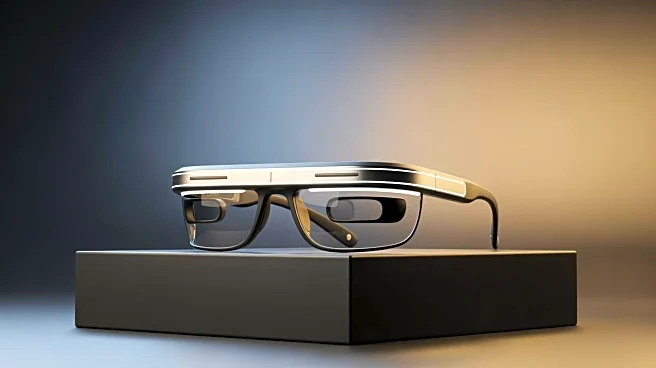
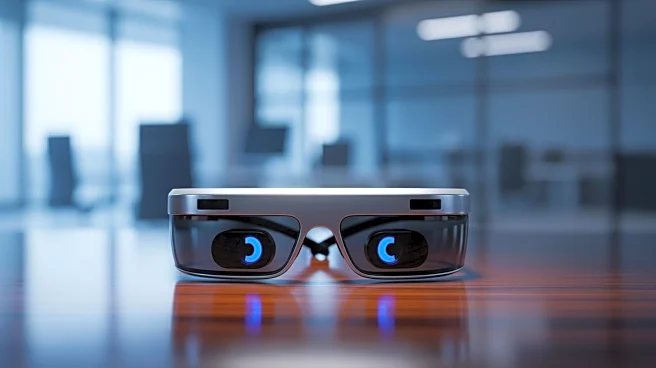
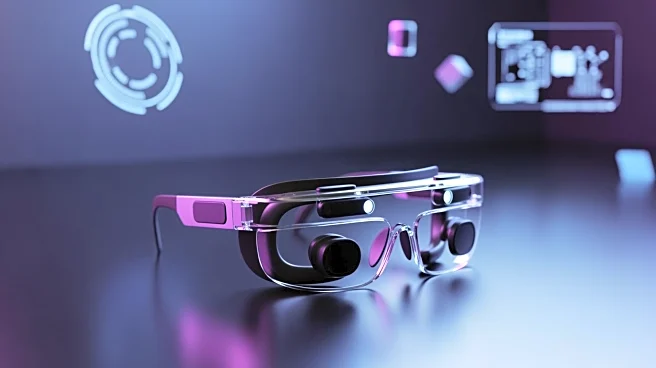
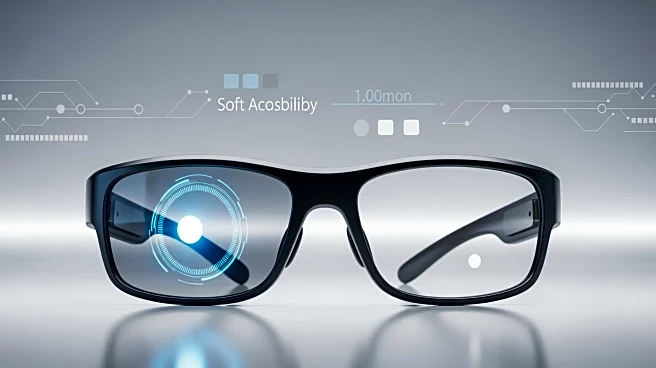
In 2026, major technology companies are set to release a new wave of augmented reality (AR) glasses, with significant advancements expected in both affordability and functionality. Google, Meta, Snap, and Apple are among the key players introducing these
innovations. Google's Project Aura, developed with Xreal prototypes, aims to integrate Gemini AI for enhanced user experiences like heads-up maps and meeting overlays. Xreal's One Pro, priced at $649, offers a more affordable, phone-tethered AR experience, making it accessible to a broader audience. Meta's new smart glasses, revealed at their 2025 Connect event, focus on modular designs and daily wearability, emphasizing software and partner ecosystems. Snap has formed a subsidiary, Specs Inc., to commercialize lightweight AR frames targeting casual users. Meanwhile, Apple is rumored to be prioritizing design and integration for its upcoming glasses, potentially setting new standards for comfort and user interface.
Why It's Important?
The introduction of these AR glasses marks a significant shift in the consumer technology landscape, potentially broadening the adoption of AR technology. By offering both affordable and premium options, these companies are catering to a wide range of consumers, from casual users to tech enthusiasts. This could lead to increased competition in the AR market, driving further innovation and development. The availability of more affordable AR devices like the Xreal One Pro could democratize access to AR technology, allowing more people to experience its benefits in everyday life. On the other hand, premium offerings from companies like Apple may push the boundaries of design and functionality, setting new industry standards. This dual approach could accelerate the mainstream adoption of AR technology, impacting various sectors such as entertainment, education, and professional industries.
What's Next?
As these AR glasses hit the market, consumer response will be crucial in determining their success. Companies will likely focus on refining their products based on user feedback and technological advancements. The competition among tech giants could lead to rapid improvements in AR technology, with potential updates and new features being introduced regularly. Additionally, the development of a robust ecosystem of apps and services tailored to these devices will be essential for their widespread adoption. Stakeholders in industries such as retail, gaming, and education may explore new ways to integrate AR technology into their offerings, potentially transforming how consumers interact with digital content.