








What's Happening?
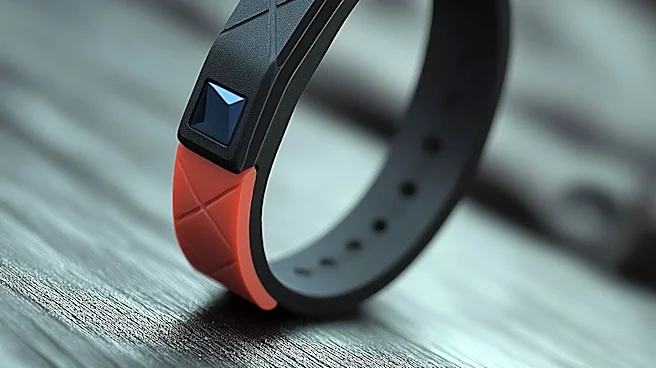
Wearable health and fitness trackers, widely used for monitoring activity levels, sleep quality, and heart rate, may inadvertently increase anxiety in some users. According to recent studies, these devices can create a negative feedback loop where heightened
attention to bodily signals amplifies anxiety, and vice versa. For instance, a user might experience panic upon seeing an unexpectedly high heart rate on their smartwatch, even if they feel physically fine. This phenomenon is particularly concerning for individuals prone to anxiety, who tend to focus intensely on their internal bodily signals. Research during the COVID-19 pandemic highlighted a bi-directional link between anxiety and attention to bodily signals, suggesting that wearable devices might exacerbate this loop. While some users find reassurance in the data provided by wearables, others report increased anxiety and even dependency on these devices.
Why It's Important?
The implications of this research are significant for the wearable technology industry and mental health professionals. As wearables become more integrated into daily life, understanding their psychological impact is crucial. For the tech industry, this highlights the need for designing devices that consider mental health implications, potentially incorporating features that mitigate anxiety. For mental health professionals, these findings underscore the importance of addressing technology-induced anxiety in therapy, particularly for patients with pre-existing anxiety disorders. The broader societal impact includes a potential shift in how individuals perceive and interact with health data, emphasizing the need for balanced use of technology in health monitoring.
What's Next?
Future developments may include the introduction of wearable features that help users manage anxiety, such as alerts that encourage breaks from monitoring or provide context for unexpected readings. Additionally, further research is needed to understand why some individuals experience increased anxiety while others find reassurance in wearable data. This could lead to personalized recommendations for wearable use based on individual psychological profiles. As awareness of this issue grows, there may also be increased collaboration between tech companies and mental health experts to create more user-friendly and psychologically considerate devices.
Beyond the Headlines
The rise of wearable technology raises ethical questions about the balance between health monitoring and mental well-being. As these devices become more prevalent, there is a risk of over-reliance on technology for health insights, potentially diminishing individuals' trust in their bodily intuition. This development also highlights the cultural shift towards data-driven health management, which may not always align with traditional health practices. Long-term, this could influence how society views health and wellness, prioritizing data over personal experience.