






What's Happening?
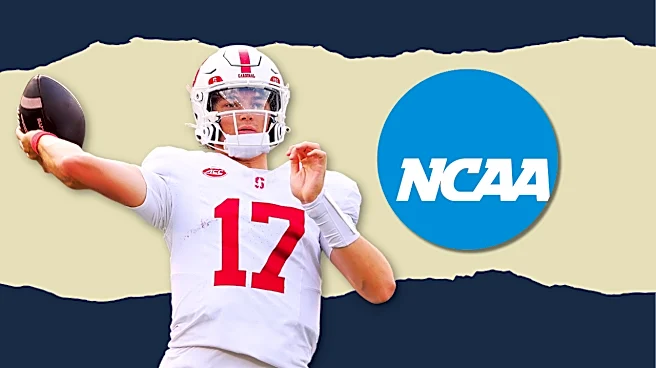
A federal magistrate in San Jose, California, is deliberating on whether multimedia rights companies representing university athletic departments should be classified as 'associated entities' under the rules governing name-image-likeness (NIL) payments
to college athletes. The case, part of a landmark House settlement, could redefine how NIL deals are scrutinized. Plaintiffs argue that while boosters and booster collectives should be considered associated entities, multimedia rights companies should not. The College Sports Commission (CSC), responsible for analyzing NIL contracts, maintains that its application of the rules is correct. A recent arbitration favored the CSC, rejecting deals submitted for Nebraska football players. The judge's decision could lead to increased spending if these companies are not subject to the same scrutiny.
Why It's Important?
The outcome of this case could significantly affect college sports spending and the landscape of NIL deals. If multimedia rights companies are not deemed 'associated entities,' it may lead to less oversight and potentially more aggressive spending on athlete endorsements. This could alter the competitive balance in college sports, as schools with more resources could leverage these deals to attract top talent. The decision also impacts the regulatory framework established by the House settlement, potentially setting a precedent for future NIL negotiations and disputes. Stakeholders, including universities, athletes, and marketing firms, are closely watching the case for its implications on financial and ethical standards in college athletics.
What's Next?
The magistrate's ruling is expected soon, which will clarify the status of multimedia rights companies in NIL deals. Depending on the outcome, there may be appeals or further legal challenges, especially if the decision disrupts existing NIL agreements. Universities and athletic departments might need to reassess their partnerships with these companies, potentially leading to shifts in marketing strategies and athlete recruitment. The College Sports Commission will continue to play a crucial role in monitoring compliance with NIL guidelines, and its decisions could face increased scrutiny from stakeholders seeking clarity and fairness in the evolving NIL landscape.