


What's Happening?
The 2026 Met Gala red carpet was marked by a series of uncanny and artistic fashion choices, aligning with the event's 'Fashion Is Art' theme. Attendees embraced a variety of avant-garde styles, including masked appearances and multi-limbed outfits. Notable
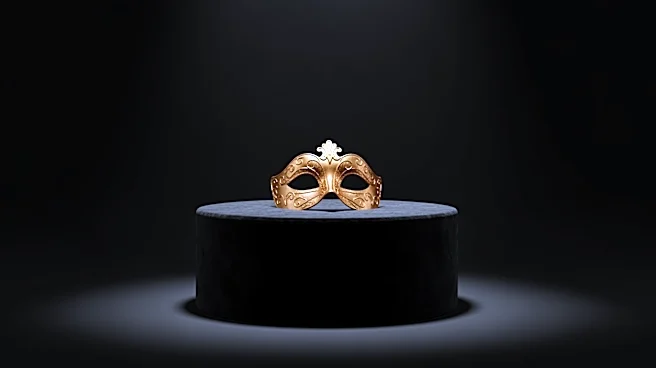
moments included French pop star Yseult's tuxedo-style dress with a golden corset, and jewelry designer Sabine Getty's nude illusion gown with painted hands. Masks were a prominent feature, with Gwendoline Christie and Katy Perry donning elaborate headpieces and face coverings. The event showcased a blend of surrealism and classical art influences, with attendees pushing the boundaries of traditional fashion norms.
Why It's Important?
The Met Gala serves as a significant cultural event, influencing fashion trends and public discourse on art and identity. This year's focus on the uncanny and surreal highlights a shift towards more experimental and boundary-pushing fashion. It reflects a broader cultural movement towards embracing diversity and challenging conventional beauty standards. The event also underscores the role of fashion as a form of artistic expression, capable of conveying complex themes and narratives. By incorporating elements of surrealism and classical art, the Met Gala continues to be a platform for innovation and creativity in the fashion industry.
What's Next?
The bold fashion statements made at the 2026 Met Gala may inspire future trends in both high fashion and mainstream apparel. Designers and artists may continue to explore themes of surrealism and the uncanny, leading to new collaborations and creative projects. The event's emphasis on art and fashion could also influence other cultural events, encouraging a more interdisciplinary approach to fashion design. As the industry evolves, there may be increased interest in exploring the intersection of fashion, technology, and art.
Beyond the Headlines
The Met Gala's exploration of the uncanny raises questions about the role of fashion in shaping cultural narratives and societal values. It challenges traditional notions of beauty and identity, encouraging a more inclusive and diverse representation of the human form. This event may also prompt discussions about the ethical implications of using fashion as a medium for artistic expression, particularly in relation to cultural appropriation and representation.