







What's Happening?
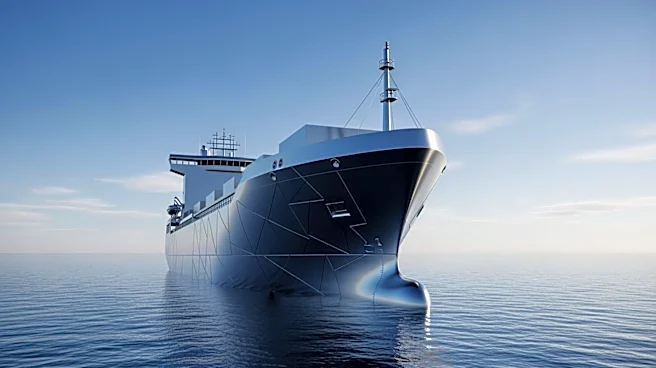
Damen Shipyards Group has announced the expansion of its Combi Freighter (CF) series, introducing the CF 6000 and CF 7000 vessels. These new models feature an extended midship section, allowing for increased cargo capacity. The CF 6000 can carry 20% more
cargo, while the CF 7000 can accommodate 40% more, compared to the previous CF 5000 model. This expansion aims to provide vessel operators with greater flexibility while maintaining the series' reputation for reliability, efficiency, and sustainability readiness. The CF series is known for its cargo versatility, making it a popular choice among operators seeking adaptable shipping solutions.
Why It's Important?
The expansion of the Combi Freighter series by Damen Shipyards Group is significant for the maritime industry, particularly in the context of increasing global trade demands. By enhancing cargo capacity, these new vessels can contribute to more efficient shipping operations, potentially reducing the number of trips required and lowering operational costs. This development aligns with the industry's ongoing efforts to improve sustainability and efficiency in maritime transport. The increased capacity also supports the growing need for versatile shipping solutions that can adapt to various cargo types, benefiting operators who require flexible and reliable vessels.
What's Next?
As Damen Shipyards Group rolls out the CF 6000 and CF 7000 models, stakeholders in the maritime industry may anticipate further innovations in vessel design aimed at enhancing cargo capacity and operational efficiency. The introduction of these vessels could prompt other shipbuilders to explore similar expansions or technological advancements to remain competitive. Additionally, shipping companies might consider integrating these new models into their fleets to capitalize on the increased capacity and versatility offered by the CF series.
Beyond the Headlines
The expansion of the Combi Freighter series reflects broader trends in the maritime industry, including the push towards sustainability and efficiency. As global trade continues to grow, the demand for vessels that can handle diverse cargo types and larger volumes is likely to increase. This development may also influence regulatory discussions around maritime transport, particularly concerning environmental impact and the need for sustainable shipping practices. The CF series' focus on reliability and efficiency could set a benchmark for future vessel designs.