


What's Happening?
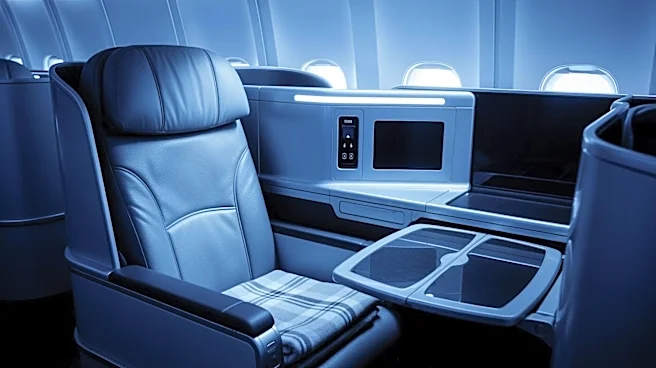
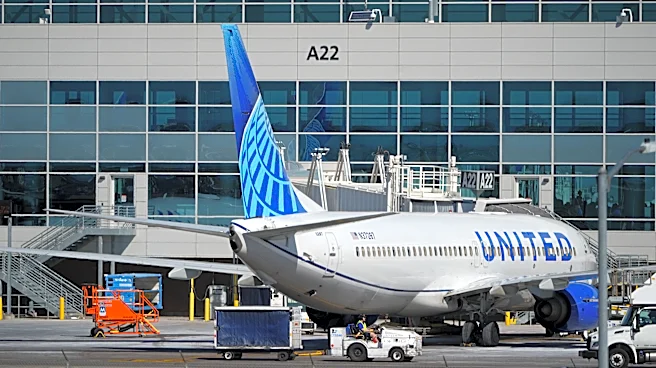
United Airlines has announced a new tiered fare system for its premium cabins, offering a more affordable option for first-class travel. The new system introduces three fare types: base, standard, and flexible, applicable to long-haul international, transcontinental,
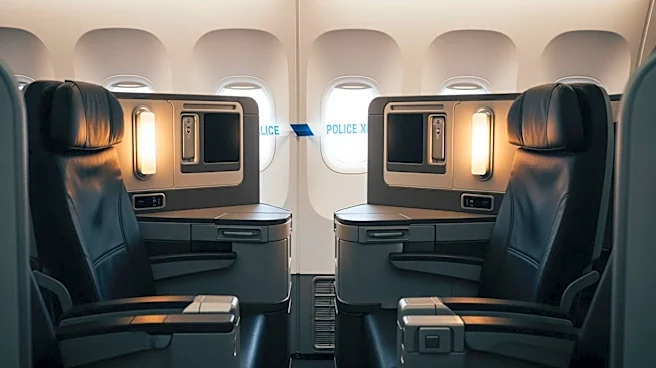
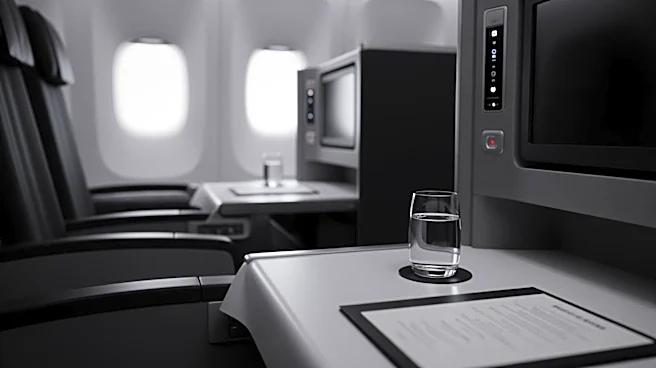
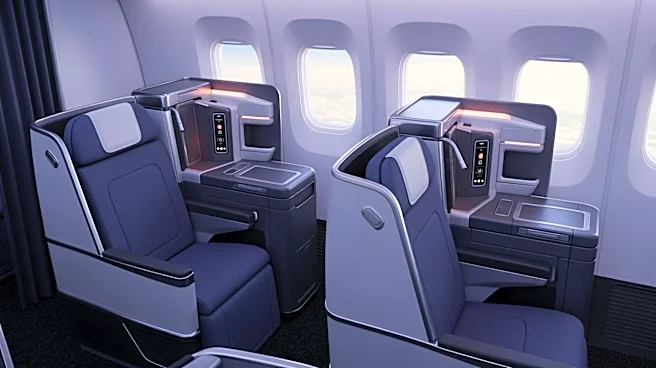
and select Hawaii flights. The 'base' fare offers the lowest price for United Polaris and Premium Plus seats but comes with fewer perks. Passengers opting for the base fare may forgo benefits such as prime seat selection, extra checked bags, and access to United's exclusive Polaris lounges. Instead, they will have standard United Club access. The changes aim to provide more choice and make it easier for customers to find a fare that suits their needs, according to Andrew Nocella, United's Chief Commercial Officer. The new fare categories will debut in select markets this month, with a broader rollout planned later this year.
Why It's Important?
This development is significant as it reflects a broader trend in the airline industry towards offering more customizable travel options. By introducing a tiered fare system, United Airlines is attempting to cater to a wider range of customer preferences and budgets. However, the move has sparked debate among frequent flyers, some of whom view it as a downgrade in service quality. The introduction of a base fare with reduced perks could potentially impact customer loyalty, especially among those who value the traditional benefits of first-class travel. This change may also influence other airlines to adopt similar pricing strategies, potentially reshaping the competitive landscape of premium air travel.
What's Next?
As United Airlines rolls out these new fare options, customer reactions and feedback will be crucial in determining the success of the initiative. The airline may need to adjust its offerings based on traveler responses and market demand. Additionally, other airlines will likely monitor United's approach and consider implementing similar strategies if the tiered system proves successful. The broader rollout later this year will provide further insights into how these changes affect United's market position and customer satisfaction.