



What's Happening?
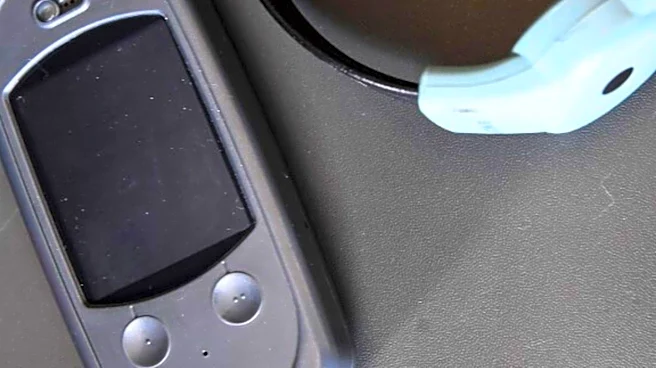
Peri, a women's health and data company, has introduced a new wearable device specifically designed for perimenopause. This device aims to provide continuous biometric tracking, offering women an objective understanding of their bodily changes over time.
The launch addresses a significant gap in menopause research, as there are currently no standardized biomarkers or objective measures for perimenopause. Historically, this area of women's health has been under-researched and underfunded, with many women leaving clinical consultations without answers. The device, priced at $449, is available for purchase and is eligible for FSA and HSA. It is designed to be worn under the breast, allowing it to accurately capture symptoms like hot flashes and night sweats. The data collected by Peri is expected to form the first large-scale dataset on perimenopause, potentially reshaping treatment development and clinical decision-making.
Why It's Important?
The introduction of Peri's wearable device is significant as it addresses the longstanding neglect in menopause research and treatment. By providing women with real-time data and insights, the device empowers them to make informed decisions about their health. This development could lead to improved healthcare outcomes for women experiencing perimenopause, a phase often associated with long-term health impacts such as cardiovascular issues, bone density loss, and cognitive decline. The device's ability to track symptoms continuously and provide personalized insights could revolutionize how perimenopause is managed, offering a more tailored approach to treatment and care. Furthermore, the data collected could influence future research and healthcare policies, ensuring that women's health needs are better addressed.
What's Next?
As Peri's device becomes more widely adopted, it is expected to generate a comprehensive dataset that could inform future research and healthcare practices. This data could lead to the development of new treatments and interventions tailored to the specific needs of women undergoing perimenopause. Additionally, the success of this device may encourage further investment and innovation in women's health technologies, potentially leading to more advancements in this under-researched area. Healthcare providers may also begin to incorporate data from such devices into their clinical practices, offering more personalized and effective care for women. The broader acceptance and integration of wearable health technology could also prompt regulatory bodies to establish new guidelines and standards for their use in clinical settings.
Beyond the Headlines
The launch of Peri's device highlights broader issues in the healthcare system, particularly the historical underrepresentation of women in medical research. Until 1993, women were not required to be included in clinical trials in the U.S., leading to a significant gap in understanding women's health issues. This device not only provides immediate benefits to women experiencing perimenopause but also challenges the healthcare system to address these disparities. By focusing on a traditionally overlooked area, Peri is setting a precedent for how technology can be used to fill research gaps and improve healthcare outcomes. This development may also spark discussions about the need for more inclusive research practices and the importance of addressing gender biases in healthcare.