
What's Happening?
The average 30-year fixed-rate mortgage in the U.S. has increased to 6.51%, marking the highest level since August of the previous year. This rise is attributed to turmoil in the bond market, exacerbated
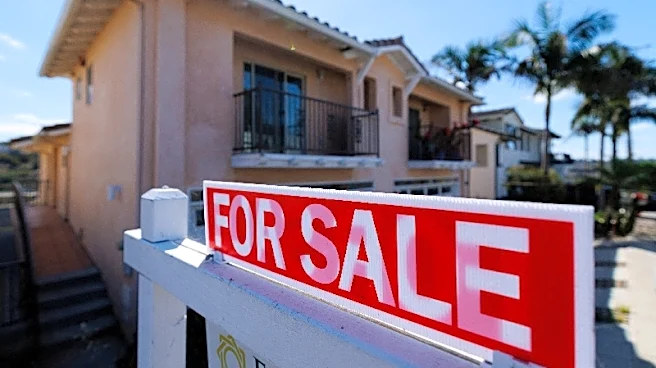
by the ongoing conflict with Iran, which has led to increased inflation expectations. The U.S. 10-year Treasury yield, which influences mortgage rates, has climbed sharply, reflecting investor concerns over rising oil prices and persistent inflation. Despite the Federal Reserve's previous interest rate cuts, mortgage rates have not decreased as much as anticipated. The housing market is experiencing a tepid start to the spring buying season, with existing home sales showing minimal growth and mortgage applications for new home purchases declining.
Why It's Important?
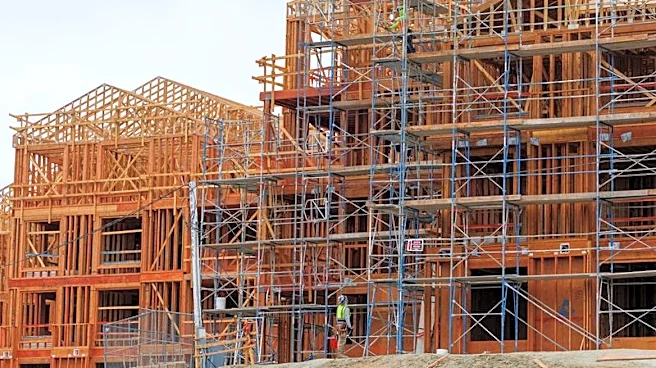
The increase in mortgage rates poses significant challenges for potential homebuyers, as higher borrowing costs make homeownership more expensive. This situation is compounded by economic anxiety stemming from the Middle East conflict, which is affecting consumer confidence. The rise in mortgage rates could lead to a slowdown in the housing market, impacting real estate sales and construction industries. Additionally, the higher rates may deter first-time buyers and those looking to refinance, potentially leading to a decrease in overall housing market activity. The situation underscores the broader economic implications of geopolitical tensions and their influence on domestic financial markets.
What's Next?
As mortgage rates continue to rise, potential homebuyers may delay purchasing decisions, waiting for more favorable conditions. The Federal Reserve's future actions regarding interest rates will be closely watched, as any further adjustments could influence mortgage rates. Real estate professionals and economists will monitor the housing market's response to these changes, particularly during the typically active spring buying season. Additionally, ongoing developments in the Middle East and their impact on global oil prices and inflation will remain critical factors influencing the U.S. economy and housing market.