

What's Happening?
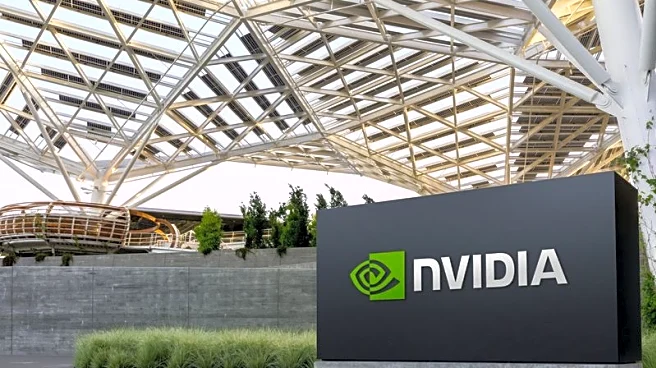
Meta has announced a significant expansion of its partnership with Nvidia, focusing on the use of millions of Nvidia chips in its artificial intelligence data centers. This includes the deployment of Nvidia's new standalone CPUs and next-generation Vera Rubin systems. The collaboration aims to optimize and accelerate AI models for Meta's platforms, including WhatsApp. This deal is part of Meta's broader strategy to invest heavily in AI, with plans to spend up to $135 billion on AI by 2026. The partnership, which has been ongoing for over a decade, now includes a more comprehensive technology collaboration between the two companies. Meta will be the first to deploy Nvidia's Grace central processing units as standalone chips in its data centers,
marking a significant milestone in AI infrastructure development.
Why It's Important?
This expanded partnership between Meta and Nvidia is crucial as it underscores the growing importance of AI in the tech industry. By investing heavily in AI infrastructure, Meta aims to enhance its capabilities in delivering advanced AI solutions, which could significantly impact its competitive position in the market. For Nvidia, this deal represents a substantial business opportunity, potentially driving significant revenue growth. The collaboration also highlights the increasing demand for advanced AI chips, which are essential for running complex AI models. This trend could influence other tech companies to invest similarly in AI technologies, potentially reshaping the landscape of AI development and deployment.
What's Next?
As Meta continues to build out its AI infrastructure, the company is likely to focus on integrating these new technologies into its platforms to enhance user experiences. The deployment of Nvidia's Grace CPUs as standalone chips could set a precedent for other companies looking to optimize their AI operations. Additionally, the partnership may lead to further innovations in AI technology, as both companies work together to push the boundaries of what is possible with AI. Stakeholders in the tech industry will be closely watching the outcomes of this collaboration, as it may influence future investments and strategic decisions in AI development.