


What's Happening?
Eli Lilly, a major U.S. pharmaceutical company, has entered into a $2.75 billion agreement with Insilico Medicine, a Hong Kong-based firm specializing in artificial intelligence-driven drug development. This collaboration aims to bring AI-developed drugs
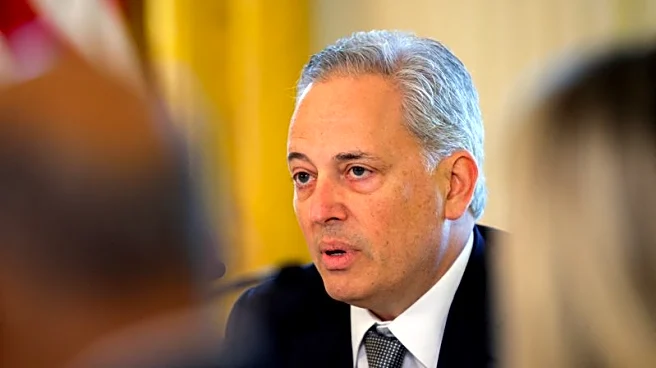
to the global market. Insilico will receive $115 million upfront, with additional payments contingent on achieving regulatory and commercial milestones, along with royalties on future sales. Insilico has developed 28 drugs using generative AI tools, with nearly half already in clinical stages. The partnership builds on a previous AI-based software licensing agreement signed in 2023. Eli Lilly's CEO, David A. Ricks, recently attended a forum in Beijing, highlighting the company's plans to invest $3 billion in China over the next decade.
Why It's Important?
This partnership underscores the growing influence of artificial intelligence in the pharmaceutical industry, potentially revolutionizing drug discovery and development processes. By leveraging AI, companies like Eli Lilly and Insilico can accelerate the identification of promising therapeutic candidates, reducing research time and costs. The deal also highlights the strategic importance of international collaborations in advancing medical innovations. Eli Lilly's investment in China reflects a broader trend of U.S. companies seeking to expand their presence in global markets, particularly in regions with significant growth potential. The collaboration could lead to more efficient drug development, benefiting patients worldwide and enhancing Eli Lilly's competitive edge in the pharmaceutical sector.
What's Next?
As the partnership progresses, Eli Lilly and Insilico Medicine will focus on achieving regulatory approvals and commercial milestones to bring AI-developed drugs to market. The collaboration may prompt other pharmaceutical companies to explore similar AI-driven strategies, potentially leading to increased investments in AI technologies. Eli Lilly's planned investment in China suggests further expansion and collaboration opportunities in the region. Stakeholders, including healthcare providers and patients, will be closely monitoring the outcomes of this partnership, as successful AI-driven drug development could lead to more effective treatments and improved healthcare delivery.