
What's Happening?
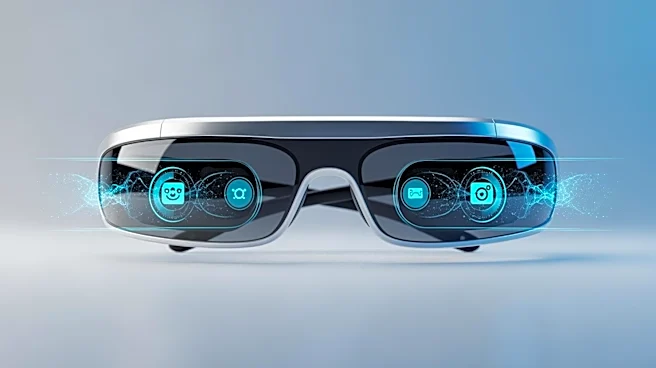
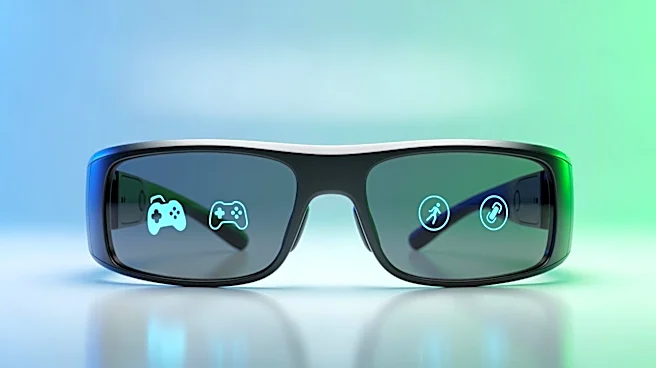
The augmented reality (AR) glasses market is witnessing significant developments in 2026, with new models targeting gamers and fitness enthusiasts. Companies like Xreal and Viture are pushing the boundaries
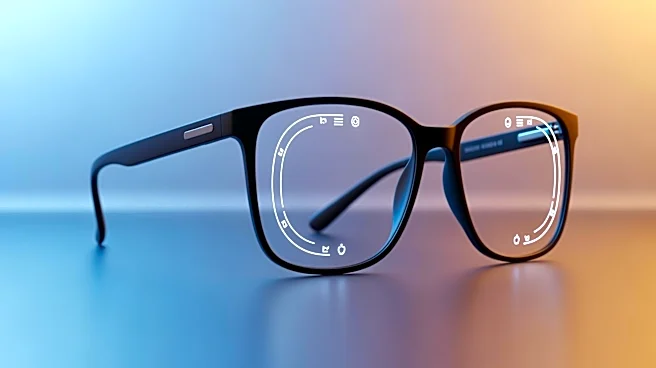
with high-refresh-rate optics and lightweight designs. Notably, Google's Project Aura and Nothing's AI glasses are reshaping consumer expectations by focusing on AI features over traditional AR displays. These innovations are part of a broader trend where AR technology is becoming more integrated into daily life, offering practical applications for gaming and fitness.
Why It's Important?
The advancements in AR glasses represent a pivotal shift in how technology is integrated into everyday activities. For gamers, the promise of low-latency visuals and immersive experiences could redefine gaming standards. Fitness enthusiasts stand to benefit from lightweight, heads-up coaching devices that enhance workout efficiency. These developments could lead to increased adoption of AR technology, influencing consumer electronics markets and driving competition among tech companies. The focus on AI over AR in some models suggests a strategic pivot that could redefine the smart glasses market.
What's Next?
As these AR glasses enter the market, consumer feedback will likely shape future iterations and innovations. Companies may focus on refining user interfaces and expanding application ecosystems to enhance functionality. The legal and competitive landscape could also evolve, with patent disputes potentially affecting product launches and partnerships. The success of these devices will depend on their ability to meet consumer needs and integrate seamlessly into existing digital ecosystems.